Patient Education · Murrieta Dentist
Why Are My Teeth Sensitive?
Causes, treatment, and when that cold-water zing means something more
Written & medically reviewed by Dr. Bao Nguyen, DDS — UCLA-trained, 10-year U.S. Navy dentist · Updated August 2026
That sharp jolt when ice water, hot coffee, or a spoonful of ice cream hits your teeth is dentin hypersensitivity, and it affects roughly 1 in 8 adults. Sometimes it is a simple enamel issue you can settle at home. Sometimes it is the first warning of a cavity, gum recession, or a cracked tooth. Here is what is really going on inside the tooth, what you can try tonight, and the point at which a zing stops being a nuisance and becomes something worth an exam.
Call (951) 412-0127$20 Exam & X-Rays

The Short Answer
Why Are My Teeth Sensitive? The Anatomy of a Zing
Your teeth are sensitive because the protective outer layer — enamel on the crown, or gum tissue over the root — has been compromised, exposing the dentin underneath. Dentin is honeycombed with thousands of microscopic tubules that run straight to the nerve at the center of the tooth. When something hot, cold, sweet, or acidic reaches exposed dentin, fluid shifts inside those tubules and the nerve fires. That is the sharp, split-second pain we call dentin hypersensitivity.
The Mayo Clinic notes that sensitivity can be a passing nuisance — or the earliest symptom of a cavity, a cracked tooth, gum disease, or a worn filling. That distinction is the whole point of this page, because desensitizing toothpaste will never fix a crack or decay.
Sensitive Teeth Causes
The 9 Most Common Sensitive Teeth Causes
1. Brushing too hard
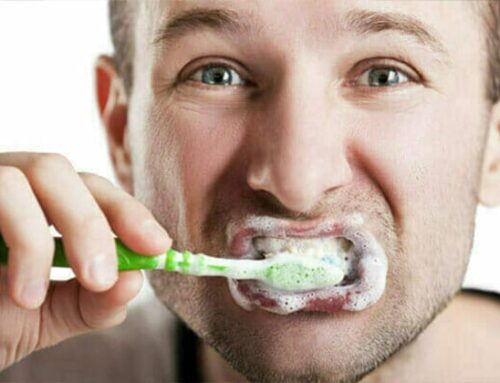
Aggressive scrubbing with a hard-bristled brush wears grooves into enamel and pushes gums away from the teeth — a double hit. The American Dental Association recommends a soft-bristled brush held at about 45 degrees with gentle pressure. If your bristles splay out within a couple of months, you are pressing too hard.

2. Gum recession
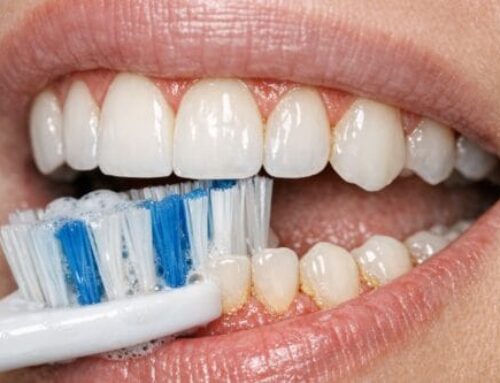
Receding gums expose the tooth root, which has no enamel at all — just a thin layer of cementum over dentin. Root surfaces react sharply to cold, touch, and acid. Recession comes from hard brushing, gum disease, grinding, or simply genetics. Our gum recession treatment ranges from fluoride varnish and bonding to grafting for advanced cases.
3. Tooth decay
A cavity working through enamel often announces itself as sensitivity to cold or sweets long before it aches. Caught early, an affordable white composite filling stops both the decay and the zing.
4. Teeth grinding (bruxism)
Grinding and clenching — often during sleep — put hundreds of pounds of force on enamel, flattening chewing surfaces and creating micro-cracks. Plenty of patients grind without knowing it; morning jaw soreness and flattened tooth edges are the giveaways. A custom night guard protects the enamel you have left.
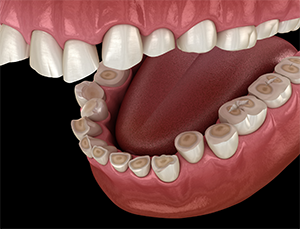
5. Acidic foods and drinks
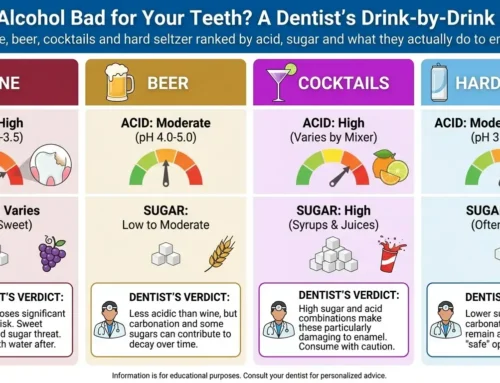
Citrus, soda, sports drinks, wine, and vinegar soften enamel on contact. Brushing within 30 minutes of an acid hit scrubs away the softened layer, so rinse with water and wait before you brush. The Cleveland Clinic lists acid erosion among the top drivers of sensitivity.

6. Cracked or chipped teeth
A crack lets temperature changes and bacteria reach the dentin and pulp directly. Sensitivity to chewing pressure on one specific tooth is the classic sign. The American Association of Endodontists warns that untreated cracks spread — early bonding or a crown can save the tooth.
7. Whitening products
Peroxide-based whiteners temporarily open enamel pores. The sensitivity is real but almost always short-lived; it fades within days of pausing treatment.
8. Gum disease and plaque buildup
Hardened plaque inflames gums and speeds up recession, exposing roots. A professional $95 ultrasonic teeth cleaning removes the buildup a toothbrush cannot reach.
9. Recent dental work
Fillings, crowns, and cleanings can leave a tooth tender for a few days to two weeks. That is normal healing. Sensitivity that worsens instead of fading deserves a follow-up call.
Temperature Triggers
Teeth Sensitive to Cold vs. Hot: What the Trigger Tells You
The trigger is diagnostic. Teeth sensitive to cold — ice water, winter air, ice cream — with pain that vanishes in seconds almost always means exposed dentin from enamel wear or gum recession. It is uncomfortable but usually manageable with desensitizing toothpaste and fluoride.
Heat sensitivity is different. A tooth that reacts to hot coffee or soup, or cold pain that lingers half a minute or more, suggests the nerve inside the tooth is inflamed or dying — often from deep decay or a crack. That tooth may need a filling, a crown, or root canal therapy, and waiting only makes the treatment bigger. If the pain is severe or keeping you up at night, don't wait for a routine slot — our emergency dentist can usually see you the same day.
Tooth Sensitivity Treatment
Tooth Sensitivity Treatment: At Home and In Our Office
Start at home (2–4 weeks)
Professional treatment, matched to the cause
Fluoride Varnish
Prescription-strength fluoride painted onto sensitive areas remineralizes enamel and seals open tubules. Takes minutes, works for months.
Bonding & Dentin Sealers
Tooth-colored resin covers exposed roots and worn spots, physically blocking the trigger. See our teeth bonding service.
White Fillings
When decay is the culprit, a conservative composite filling ends the sensitivity and stops the cavity.
Gum Treatment
From deep cleaning to laser periodontal therapy and recession treatment, healthy gums re-cover sensitive roots.
Night Guard
A custom-fitted guard stops grinding damage while you sleep and lets stressed enamel and nerves calm down.
Crown or Root Canal
For cracks and inflamed nerves, a same-day CEREC crown or gentle root canal saves the tooth — usually in one visit.
Nervous about dental visits? Dr. Bao built his practice around anxious patients — read about our Safe Haven approach to dental anxiety, or learn how gentle sedation dentistry keeps sensitive-teeth treatment completely comfortable.
Patient Stories
What Murrieta Patients Say About Sensitivity Care
"I've had extreme tooth sensitivity and dental anxiety for years. Dr. Bao took the time to explain exactly why my teeth were reacting to cold and fixed the problem without pushing anything I didn't need. Best dental experience I've ever had."
— Ronnette H. · Verified Google Review
"A cracked molar had me wincing at everything cold. They got me in the same day, and the $20 exam and X-rays found the crack immediately. Honest pricing, no upselling, and the crown was done in one visit. Highly recommend."
— Marcus T. · Verified Google Review
"Edith at the front desk is wonderful, and Dr. Nguyen is the gentlest dentist I've been to. My receding gums were making my teeth so sensitive I avoided ice water. After fluoride treatment and bonding, I can finally drink cold drinks again."
— Diana R. · Verified Google Review
"As a fellow veteran I appreciate Dr. Bao's straightforward, no-nonsense approach. He found the cavity causing my sensitivity that another office missed, filled it painlessly, and charged a fair price. This is our family's dentist now."
— James P. · Verified Google Review
Stop Guessing. Find Out Why Your Teeth Are Sensitive.
A $20 exam with digital X-rays tells you exactly what is going on — enamel wear, recession, a cavity, or a crack — and what it will honestly cost to fix. No upselling, ever.
(951) 412-0127 Request an AppointmentCommon Questions
Sensitive Teeth FAQs
Why are my teeth sensitive all of a sudden?
Sudden tooth sensitivity usually means the protective enamel has worn thin or the gums have receded, exposing the dentin underneath. Common triggers include brushing too hard, a new whitening product, acidic foods and drinks, teeth grinding, a cracked tooth, or a recent dental procedure. If the sensitivity appeared quickly and does not fade within a week or two, have it examined so a cavity or crack can be ruled out.
Why are my teeth sensitive to cold but not hot?
Cold sensitivity is the classic sign of exposed dentin from enamel wear or gum recession, and it usually fades within seconds. Sensitivity to heat, or cold pain that lingers for 30 seconds or more, more often points to an inflamed or dying nerve inside the tooth and should be evaluated promptly, since it may need a filling or root canal rather than desensitizing toothpaste.
What causes sensitive teeth?
The most common sensitive teeth causes are gum recession, enamel erosion from acidic foods and drinks, aggressive brushing with a hard-bristled brush, teeth grinding (bruxism), tooth decay, cracked or chipped teeth, worn fillings, gum disease, and overuse of whitening products. Aging also plays a role, since gums naturally recede and enamel thins over time.
How do dentists treat tooth sensitivity?
In-office tooth sensitivity treatment options include prescription-strength fluoride varnish to strengthen enamel, dentin sealers or bonding agents that cover exposed root surfaces, fillings for decay, gum treatment for recession or periodontal disease, night guards for grinding, and in severe cases a crown or root canal. Your dentist matches the treatment to the actual cause found during your exam.
Does desensitizing toothpaste really work?
Yes, for most mild to moderate cases. Toothpastes with potassium nitrate or stannous fluoride calm the nerve response and block the open tubules in exposed dentin. They typically take two to four weeks of twice-daily use to reach full effect, and they work best alongside a soft-bristled brush and gentle technique. If there is no improvement after a month, see your dentist.
Can a cavity cause tooth sensitivity?
Absolutely. Decay dissolves enamel and exposes the dentin, so a cavity often announces itself as sensitivity to cold, sweets, or chewing pressure before it ever aches. Treating the cavity early with a small white filling usually resolves the sensitivity and prevents the decay from reaching the nerve.
Is tooth sensitivity after whitening permanent?
No. Whitening sensitivity is caused by peroxide temporarily opening the pores of the enamel, and it normally resolves within a few days of stopping treatment. Using a desensitizing toothpaste before and after whitening, spacing out sessions, and choosing lower-peroxide products all reduce the discomfort. Persistent sensitivity after whitening should be checked.
When should I see a dentist about sensitive teeth?
See a dentist if sensitivity lasts more than two weeks despite desensitizing toothpaste, if pain lingers after the trigger is removed, if a single tooth is sensitive to chewing pressure, or if you notice swelling, bleeding gums, a visible crack, or a dark spot. These signs suggest decay, a cracked tooth, or nerve inflammation that home care cannot fix.
Can gum recession cause sensitive teeth?
Yes. When gums recede they expose the tooth root, which has no enamel covering, only soft cementum over dentin. Root surfaces react sharply to cold, touch, and acids. Treatment ranges from fluoride varnish and bonding over the exposed root to gum grafting for more advanced recession, along with correcting the cause such as hard brushing or gum disease.
What home remedies help sensitive teeth?
Switch to a soft-bristled toothbrush and light pressure, use a potassium nitrate or stannous fluoride toothpaste twice daily, rinse with warm salt water, avoid brushing immediately after acidic foods or drinks, and limit citrus, soda, and vinegar. These steps ease most mild sensitivity, but they manage symptoms, so persistent or worsening pain still needs an exam.
How much does it cost to get sensitive teeth checked in Murrieta?
At Promenade Dental Care, a complete new-patient exam with digital X-rays is $20, published and transparent. Dr. Bao Nguyen will identify the exact cause of your sensitivity and explain your options with no upselling. We accept all PPO plans and are in-network with Delta Dental PPO, Cigna, MetLife, Guardian, Aetna, and United Concordia, with CareCredit financing available.