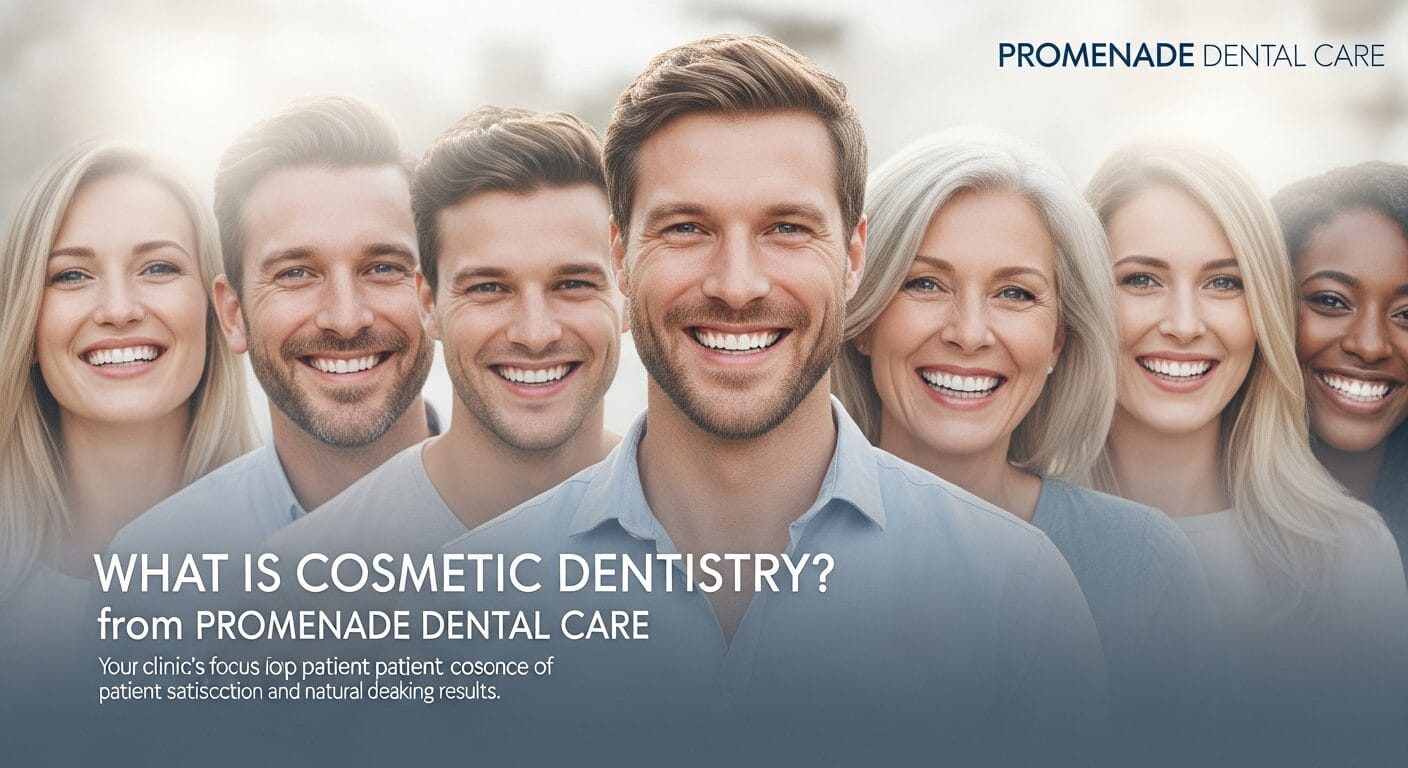
Cosmetic dentistry is a branch of dental care focused on improving the appearance of your teeth, gums, and smile—things like brightening the color, evening out the shape, closing gaps, or correcting alignment. While some treatments also improve how your teeth work, the driving factor is how your smile looks and how it makes you feel.
It is worth mentioning that Murrieta cosmetic dentistry is different from the general dental care you are already familiar with. General dentistry is about keeping your mouth healthy – treating cavities, preventing gum disease, and tackling pain. Cosmetic dentistry builds on that foundation by focusing on style. The two overlap. But they come from different starting points.
Cosmetic Dentistry vs. General Dentistry: What’s the Difference?
General dentistry is about keeping your mouth healthy. That means fillings, gum disease treatment, root canals, and scheduled check-ups—the care that stops problems from getting worse. The goal is health – not looks.
Murrieta cosmetic dentistry works from a different angle – it focuses on how your teeth look instead of how they perform. Teeth whitening, veneers, and smile reshaping all fall into this category because they change appearance without necessarily treating a health problem.
That said, the line between the two is not necessarily clean. A dental crown, just to give you an example, can restore a damaged tooth and improve its appearance at the same time. Tooth-colored fillings do the same thing – they fill a cavity, but they also blend in with your natural teeth. So some treatments legitimately serve both purposes, and that’s worth keeping in mind.
The simplest way to remember it: general dentistry is something you need, and cosmetic dentistry is something you choose. It’s not a strict rule, but it’s a helpful starting point.
It’s also worth knowing that cosmetic dentistry is not a recognized specialty in countries like the UK. Any registered dentist can perform cosmetic procedures, so the term is about the type of work rather than a formal qualification.
Before you look into treatments, it helps to ask yourself what you actually want from dental care. Are you dealing with pain, sensitivity, or a health concern? Or are you happy with how your teeth work but want to change how they look? The answer will point you in the right direction.
Common Cosmetic Dental Treatments and What Each One Does
There are quite a few treatments that fall under the cosmetic dentistry umbrella, and they can vary quite a bit in terms of what they fix, how long they take, and what the process looks like. Here are the most common ones worth learning about.
Teeth whitening is the most popular place to start. Around 19% of U.S. adults have had it done professionally, which makes sense – it’s one of the quickest ways to see a big change. In-office whitening uses a stronger bleaching agent than anything you can buy at a pharmacy, so results tend to come faster and go deeper. That said, it doesn’t work on crowns or veneers, and it won’t fix discoloration that comes from inside the tooth.
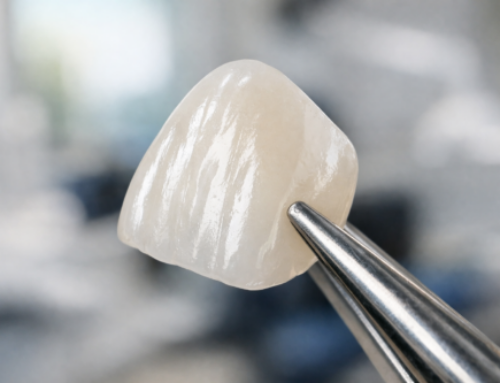
Veneers are thin shells, usually made from porcelain, that are bonded to the front of your teeth. They’re a fit for teeth that are chipped, uneven, or permanently stained. The dentist removes a small amount of enamel first, so this is a permanent commitment – your teeth will always need to be covered after that point.
Dental bonding is a cheaper alternative to veneers. A tooth-colored resin gets shaped directly onto the tooth to fix chips, gaps, or minor shape problems – it’s faster and less invasive, though it tends to stain and chip more over time.
Invisalign uses a series of plastic aligners to slowly straighten teeth – it’s not purely cosmetic in every case, but many people pursue it for the appearance benefit. Gum contouring reshapes the gum line for those who feel their gums sit too high or too low. Crowns, while sometimes used for structural reasons, can also restore the look of a badly damaged tooth.
What Cosmetic Dentistry Can Fix (And What It Can’t)
Cosmetic dentistry covers several problems. Staining and discoloration are the most common. But treatments also address chips, cracks, gaps between teeth, mild crookedness, and uneven or excessive gum lines. If something about your smile bothers you visually, there’s a chance a cosmetic procedure exists to change it.
That said, cosmetic work was built to improve appearance – not to fix underlying dental health problems. A veneer can cover a chipped tooth. But it won’t treat decay hiding beneath the surface. Whitening can brighten your smile. But it won’t resolve the gum disease that could have been causing discoloration.
This stage is where it matters to slow down before booking anything.
Some come to cosmetic dentistry with problems that are actually symptoms of something else. Teeth that look worn down might point to grinding. Gaps that seem to appear over time can relate to gum recession. A dentist needs to look at these things before any cosmetic work begins, and a good one will tell you the same.
Cosmetic procedures also have natural limits based on the degree of the problem. Whitening works on surface stains but has little effect on discoloration caused by medication or tooth trauma. Bonding is excellent for small chips but isn’t the right tool for a tooth that has been severely damaged. Aligners can straighten mild to moderate cases of crooked teeth but aren’t a substitute for full orthodontic treatment in tougher situations.
Cosmetic dentistry is capable of making significant changes, and it works best when you go in with a basic picture of what your teeth actually need.
The Real Cost of Cosmetic Dentistry – and Why People Still Pay It
Most dental insurance plans treat cosmetic procedures as optional, so they don’t cover them. That means veneers, whitening, and cosmetic bonding all come out of your own pocket. Americans spend around $2.75 billion on cosmetic dentistry each year, and the average patient pays roughly $4,336.
That’s a significant amount of money, and yet many people still pay it.
A big part of the reason is perception. Around 74% of Americans believe an unattractive smile can hurt their career prospects; it’s not a small number, and it helps explain why so many treat cosmetic dental work less like a luxury and more like an investment in how they show up at work and in their personal lives.
The costs themselves can vary quite a bit depending on what you need. A single whitening treatment is far cheaper than a full set of veneers, so the $4,336 average covers a number of situations – it’s worth getting an itemized overview from your dentist before anything. Learn more about what dental veneers typically cost.
For those who want to spread the cost, dental practices have payment plans available. Third-party financing through businesses like CareCredit is another route, and some practices work with multiple lenders to give patients more flexibility. These don’t cut back on the total cost, but they make it easier to manage over time.
It’s also worth checking your insurance policy closely. Some procedures – like a crown – can have a functional and cosmetic component, and part of the cost may qualify for coverage depending on how it’s billed. Your dentist’s office can usually help you work through what’s claimed and what isn’t.
Is Cosmetic Dentistry Worth It? Here’s How to Think About It
Before booking a procedure, it helps to pause and ask yourself a few things:
- Is the procedure a health issue first? Regardless of their cosmetic nature, some concerns, such as cracked or missing teeth, also have functional implications that require attention.
- What is my realistic budget? Cosmetic work varies widely in cost, and not all procedures are covered by insurance. Dental implant costs and insurance coverage are a common example worth looking into.
- What result am I actually hoping for? A clearer goal leads to a better conversation with your dentist – and a better outcome for you.
There is no single right answer for everyone, and that’s the point. A smile is personal. The best next step is to schedule a consultation with a qualified cosmetic dentist who can look at your situation, discuss your cosmetic dental options in Murrieta, and help you understand what is possible for your goals.
What cosmetic dentistry services are available in Murrieta?
Cosmetic dentistry services in Murrieta include a wide range of treatments designed to improve the appearance of your smile while often enhancing function as well. Local practices such as Promenade Dental Care of Murrieta commonly offer these services.
One of the most popular options is teeth whitening, which brightens stained or discolored teeth. Dental veneers are another common treatment, using thin porcelain shells to cover imperfections like chips, gaps, or uneven teeth. Dental bonding is a quick, cost-effective way to repair minor flaws using tooth-colored resin.
For more advanced needs, patients can choose crowns, bridges, or dental implants to restore damaged or missing teeth while maintaining a natural look. Some offices also provide orthodontic treatments such as clear aligners to straighten teeth discreetly.
Overall, cosmetic dentistry in Murrieta ranges from simple, non-invasive procedures to full smile makeovers, giving patients flexible options to achieve a brighter, more confident smile.
How do I choose the best cosmetic dentist in Murrieta, CA?
Promenade Dental Care is often considered one of the best cosmetic dentists in Murrieta due to its strong reputation for quality care, advanced technology, and patient-focused service. The practice is known for delivering a wide range of dental treatments in a modern, state-of-the-art environment, helping patients achieve both healthy and attractive smiles.
Patients consistently highlight the friendly, professional staff and the personalized attention they receive from Dr. Bao Nguyen, who takes time to explain treatment options and ensure comfort during procedures. The office also maintains excellent reviews, with ratings around 4.9–5 stars, reflecting high patient satisfaction and trust within the community.
In addition, the practice emphasizes affordability, consistency of care, and long-term dental health, making it a reliable choice for cosmetic dentistry services. Overall, its combination of expertise, technology, and patient care sets it apart locally.
What are the most popular cosmetic dental treatments in Murrieta?
The most popular cosmetic dental treatments in Murrieta focus on improving both the appearance and function of your smile, with options ranging from simple enhancements to full restorations. One of the most common procedures is professional teeth whitening, which quickly brightens stained or discolored teeth and remains one of the most requested services.
Dental veneers are also highly popular, as they can correct chips, gaps, and uneven teeth by covering the front surface with thin porcelain shells. Another frequently chosen option is dental bonding, a cost-effective way to repair minor imperfections like cracks or small gaps.
For more advanced needs, patients often choose crowns and dental implants, which restore damaged or missing teeth while maintaining a natural look. Additionally, Invisalign and clear aligners are widely used to straighten teeth discreetly without traditional braces.
Overall, these treatments are popular because they offer flexible solutions for achieving a brighter, straighter, and more confident smile.
Are there affordable cosmetic dentistry options in Murrieta?
Yes — there are affordable cosmetic dentistry options in Murrieta, and many local practices offer flexible ways to make treatments more budget-friendly.
For example, clinics like Promenade Dental Care provide a range of cosmetic services along with financing options, insurance support, and payment plans to reduce out-of-pocket costs. Many offices also offer in-house discount plans or work with third-party financing to spread payments over time.
Additionally, cosmetic treatments themselves vary in price. Procedures like teeth whitening and dental bonding are generally more affordable, while veneers, implants, or full smile makeovers cost more but may offer long-term value.
Advances in dental technology have also made many treatments quicker and more cost-effective than in the past.