Comprehensive Guide to Tooth Extraction at Promenade Dental Care in Murrieta, CA
Tooth extraction—often referenced in search terms like tooth extraction procedure, what to expect with tooth extraction, guide to extractions, and post-extraction care — is a common dental and oral surgery procedure that removes a tooth from its socket in the jawbone. While many people hope to preserve natural teeth, there are times when extraction is the best option for oral health and comfort. Knowing what the procedure involves, why it might be needed, and how care is managed ensures patients are informed and prepared.
Why Tooth Extraction May Be Necessary
Sometimes preserving a damaged or decayed tooth isn't possible. A dentist might recommend extraction for several reasons:
- Severe tooth decay that can't be repaired with fillings or crowns.
- Advanced gum disease, also known as periodontal disease, can lead to tooth loosening.
- Trauma or injury can cause irreparable damage to a tooth.
- The teeth may become overcrowded prior to receiving orthodontic treatment, such as braces.
- Impacted teeth, particularly wisdom teeth, are unable to fully erupt and may cause pain.
The American Dental Association's professional extraction guidelines outline that this is a clinical decision based on examination and imaging — and that dentists categorize extractions as either "simple" or "surgical." Simple extractions involve a visible tooth under local anesthesia, while surgical extractions are needed when the tooth is impacted or broken below the gum line. :contentReference[oaicite:1]
What Happens During a Tooth Extraction?
A properly performed extraction is designed to remove the tooth with minimal discomfort and encourage optimal healing afterward. According to leading dental health sources, the process generally includes:
- Anesthesia: Local anesthesia numbs the tooth and surrounding tissue so the patient feels little to no pain.
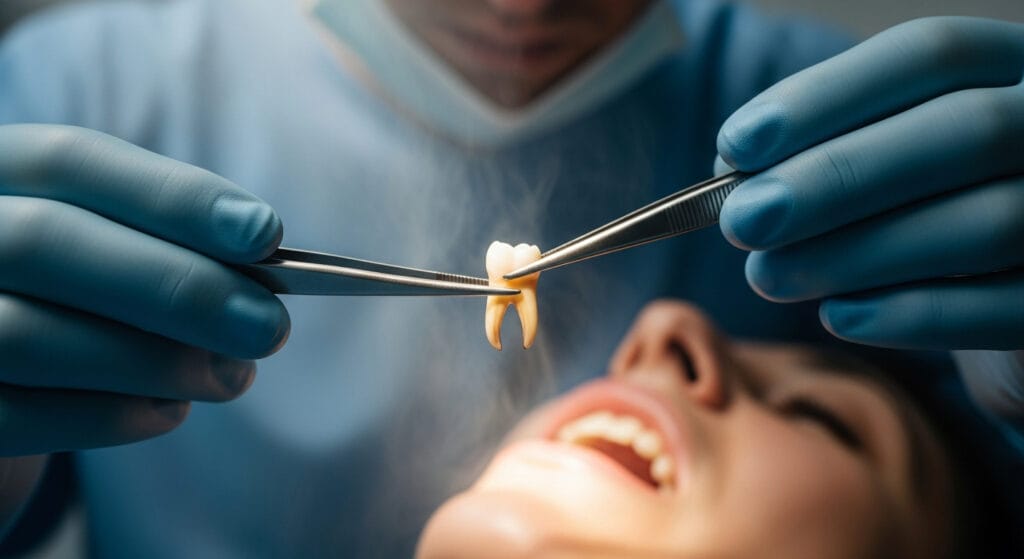
- Tooth removal: For a simple extraction, the dentist uses instruments to loosen and lift the tooth out. For surgical tooth extractions, an incision is made in the gum to access the tooth. Learn more about what happens during a tooth extraction.
- Cleaning the socket: Once the tooth is removed, the area is cleaned, and any needed bone smoothing or stitches are placed.
- Bone grafting or socket preservation: In some cases, dentists place material into the socket to preserve bone for future restoration like implants (discussed in advanced dentistry sources).
Specialized protocols may be recommended depending on dental history or complexity of the extraction. :contentReference[oaicite:2]
Tooth Extraction at Promenade Dental Care
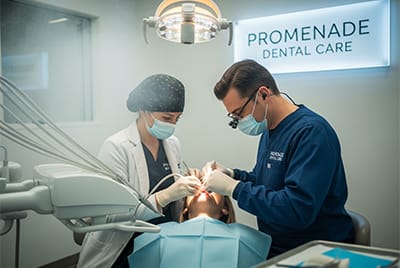 Promenade Dental Care in Murrieta, CA, is a dental practice that provides comprehensive oral care, including extractions when necessary. Their team emphasizes patient comfort, offering pain-management options and modern technology to make procedures efficient and as stress-free as possible. The practice handles dental emergencies, toothaches, and problematic teeth that may need removal. They're known for their patient-centered approach and open communication about treatment choices.
Search queries like tooth extraction near me and emergency tooth extraction Murrieta often points to this clinic as a trusted option for addressing urgent dental issues. Early intervention prevents complications when a troublesome tooth threatens surrounding structures. Prompt care also often reduces the risk of infection or extended discomfort.
Aftercare: Healing and Recovery
Recovery from a tooth extraction is part of the entire treatment process, and healthcare professionals recommend a series of careful steps to support healing and avoid complications like dry socket. Some recommended aftercare tips include:
- Control bleeding: Bite gently on gauze as instructed by your dentist immediately after the procedure.
- Rest: Limit physical activity for at least 24–48 hours to allow proper clot formation.
- Avoid disrupting the extraction site: Avoid vigorous rinsing, spitting, smoking, or using straws early in healing. Detailed post-extraction instructions provide great guidance on precautions.
- Soft diet: Choose softer foods and avoid crunchy or hot items early in recovery.
- Oral hygiene: Gently clean your mouth, but avoid brushing directly on the extraction area until your dentist says it's safe.
Most extraction sites begin forming a protective blood clot that supports healing—and if that clot becomes dislodged, it can lead to a painful condition called dry socket. Following your dentist's instructions helps prevent issues and encourages smooth healing. Post-extraction care and recovery timelines vary by individual, but initial healing typically takes one to two weeks, while complete bone remodeling can take several weeks to months. :contentReference[oaicite:5]
Potential Complications and Warning Signs
Like all medical procedures, tooth extraction carries rare risks that are important to understand. Some possible complications include infection, prolonged bleeding, nerve damage, and dry socket. Patients should follow instructions closely and call their dentist if they experience symptoms like persistent severe pain, fever, unusual drainage, or bleeding that won't stop. Open dialogue with your dentist ensures a safe recovery. :contentReference[oaicite:6]
Restorative Options After Extraction
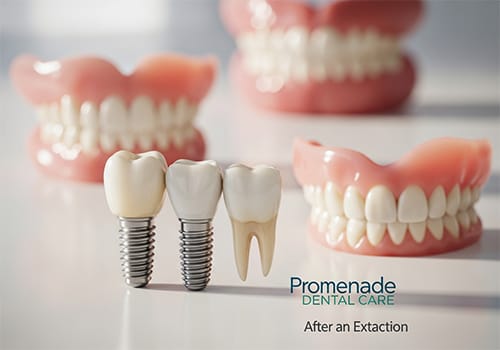 Replacing a missing tooth after a Temecula tooth extraction is one of the most important steps in protecting your long-term oral health. Many patients search for terms like dental implants, dental bridges, partial dentures, and temporary dentures because restoring the space left behind is essential for maintaining bite alignment, jawbone health, and facial structure.
When a tooth is removed, the surrounding bone can begin to shrink due to lack of stimulation. Neighboring teeth may also shift into the space, leading to bite problems, uneven wear, and potential jaw discomfort. For these reasons, dentists often recommend discussing tooth replacement options before or shortly after an extraction.
Dental Implants: The Gold Standard for Tooth Replacement
Dental implants are widely considered the most durable and natural-looking solution after a tooth extraction. An implant consists of a small titanium post surgically placed into the jawbone, acting as an artificial tooth root. After healing and integration with the bone (a process called osseointegration), a custom dental crown is attached.
Benefits of dental implants include:
- Dental implants prevent bone loss by stimulating the jaw.
- Dental implants offer long-term durability, often lasting decades with proper care.
- There is no requirement to modify nearby healthy teeth.
- They provide a natural appearance and enhance chewing strength.
Patients often search for "dental implant cost" or "dental implants near me" when considering this option. While implants may have a higher initial investment compared to other treatments, their longevity and bone-preserving benefits make them a cost-effective solution over time.
Dental Bridges: Fixed and Reliable
Dental bridges are another common restorative option following a tooth extraction. A bridge uses the teeth on either side of the gap as anchors to support a prosthetic tooth (called a pontic). This option is ideal when adjacent teeth already require crowns or when implants are not suitable due to medical or bone considerations.
Advantages of dental bridges include:
- Fixed (non-removable) restoration.
- The completion time of dental bridges is faster than that of implants.
- Your ability to chew and speak comfortably will be restored.
However, because bridges require reshaping neighboring teeth, your dentist will evaluate whether preserving natural tooth structure or placing an implant is the better long-term strategy.
Partial Dentures: Flexible and Affordable
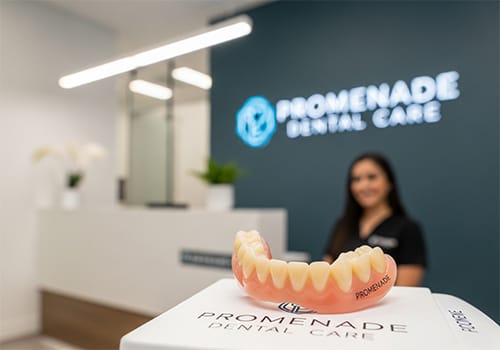 Partial dentures provide a removable solution for replacing one or multiple missing teeth. They are often chosen when several teeth are missing or when patients prefer a more affordable treatment option.
Modern partial dentures are designed for improved comfort and aesthetics. They can be crafted with metal frameworks or flexible materials that blend naturally with the gums and remaining teeth. Patients searching for "affordable tooth replacement" or "temporary tooth replacement after extraction" frequently explore this option.
Immediate and Temporary Options
In certain cases, dentists may provide an immediate denture or temporary restoration placed shortly after extraction. This approach helps maintain appearance and function during the healing period before a permanent solution like a Temecula dental implant or bridge is finalized.
Additionally, socket preservation or bone grafting may be performed at the time of extraction to maintain jawbone volume for future implant placement. This proactive step is especially beneficial for patients planning long-term restorative care.
Choosing the Right Tooth Replacement Option
Selecting the right restorative treatment after a tooth extraction depends on several factors:
- Number and location of missing teeth
- Jawbone density and health
- Overall medical history
- Budget and insurance coverage
- Long-term oral health goals
A comprehensive consultation allows your dentist to review digital imaging, discuss benefits and risks, and create a personalized treatment plan. Replacing a missing tooth restores your smile and protects your bite, supports facial structure, and prevents future dental complications.
Whether you choose dental implants, Temecula dental bridges, or partial dentures, acting promptly after a tooth extraction ensures the best possible functional and cosmetic outcome. Investing in proper tooth replacement today helps preserve your oral health for years to come.
Conclusion
Tooth extraction remains an essential dental service when restorative treatments aren't sufficient to preserve oral health. From pre-procedure planning to aftercare and recovery, understanding the process helps patients feel more confident and prepared. If you're researching options like Murrieta tooth extraction, comprehensive care — including pain-managed extraction and personalized aftercare — is crucial for optimal outcomes. Promenade Dental Care in Murrieta, CA, offers these services with an emphasis on comfort and patient education, supported by sound clinical guidelines.