We all hope to avoid dental disasters, but the truth is, a dental emergency can happen anytime. Whether it’s a severe toothache, a knocked-out tooth, or sudden facial swelling, acting quickly can save your smile. Understanding emergency dentistry, urgent dental care, and the proper first-aid steps can prevent infection, reduce pain, and protect your long-term oral health.
If you ever experience sudden dental trauma, contact Promenade Dental Care immediately for professional evaluation and treatment.
 What Qualifies as a Dental Emergency?
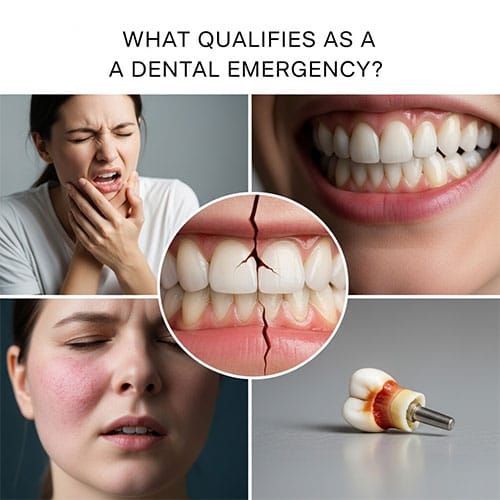 What Qualifies as a Dental Emergency?
Not every minor tooth issue requires immediate care, but the following situations require prompt attention from an Murrieta emergency dentist:
- Severe toothache that does not improve with over-the-counter pain relief.
- Knocked-out tooth (dental avulsion) requiring immediate reimplantation.
- Cracked, fractured, or broken tooth causing pain or sensitivity.
- Dental abscess or facial swelling indicating infection.
- Uncontrolled oral bleeding after trauma.
- Loose teeth following injury.
According to the American Dental Association, prompt treatment during a dental emergency significantly improves outcomes and may prevent permanent tooth loss. Learn more at: ADA Dental Emergencies Guide.
Step-by-Step: What Should You Do?
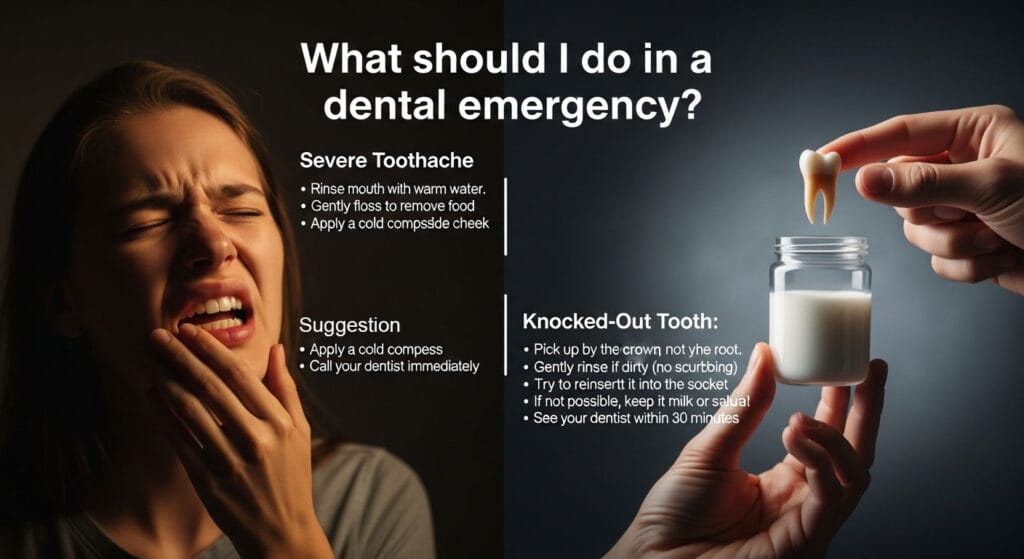
Knocked-Out Tooth
- Handle the tooth only by the crown (top chewing surface).
- Rinse gently with water—do not scrub.
- Try placing it back into the socket if possible.
- If not, store it in milk or saline solution.
- See an emergency dentist within 30–60 minutes.
Quick action increases the likelihood of saving your natural tooth. If you need immediate assistance, visit our Emergency Dentistry page for guidance.
Severe Toothache
 Severe Toothache
- Rinse with warm salt water.
- Floss gently to remove trapped debris.
- Apply a cold compress to reduce inflammation.
- Schedule urgent dental care immediately.
Persistent pain may indicate advanced tooth decay or infection requiring root canal therapy.
Dental Abscess or Infection
- Rinse with salt water to reduce bacteria.
- Do not attempt to pop the abscess.
- Seek immediate professional treatment.
Untreated dental infections can spread to other parts of the body. The Mayo Clinic explains the risks of dental abscess complications here:
Mayo Clinic – Tooth Abscess.
Broken or Chipped Tooth
- Rinse with warm water.
- Apply a cold compress to minimize swelling.
- Save broken fragments if possible.
- Avoid chewing on the affected side.
Treatment options may include dental crowns or cosmetic dentistry procedures depending on severity.
Bleeding or Soft Tissue Injury
- Apply firm pressure with gauze for 10–15 minutes.
- Use a cold compress to reduce swelling.
- If bleeding does not stop, seek emergency medical care.
When to Go to the Emergency Room
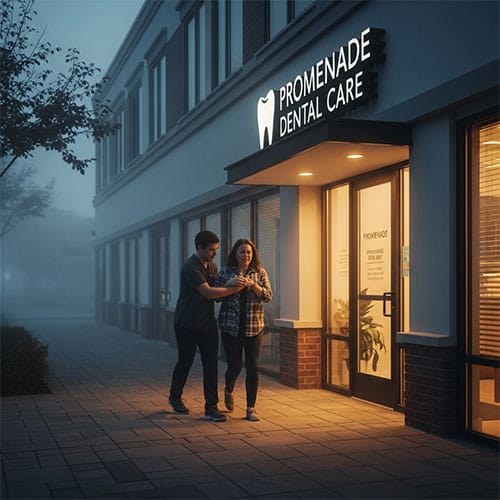 When to Go to the Emergency Room
Please proceed to the ER without delay if you experience:
- Difficulty breathing or swallowing.
- Severe facial trauma.
- High fever with facial swelling.
- Uncontrolled bleeding.
For general dental emergency guidance, visit: CDC Oral Health Resources.
How to Prevent Dental Emergencies
Preventive dental care reduces the risk of urgent dental problems. Follow these best practices to prevent Murrieta dental emergencies:
- Schedule routine preventive dentistry visits every six months.
- Wear a mouth guard during sports activities.
- Avoid chewing on objects like ice or pens.
- Address cavities early before they worsen.
- Maintain excellent brushing and flossing habits.
Final Thoughts
A Murrieta dental emergency can feel overwhelming, but quick action and professional care make all the difference. Whether you’re facing a severe toothache, knocked-out tooth, dental infection, or broken crown, timely treatment can prevent complications and save your smile.
If you’re unsure whether your situation qualifies as a dental emergency, contact Promenade Dental Care immediately. Our team provides compassionate, same-day emergency dental care to restore comfort and protect your oral health.
Preparedness today can prevent tooth loss tomorrow. Save your dentist’s number, stay proactive with preventive care, and act quickly when symptoms arise.