The truth is that most people have been practicing their daily dental routine for decades without realizing that small, fixable gaps in their habits are quietly working against them. Take brushing, just to give you an example. Most assume they are doing it right. But many don’t brush for the recommended two full minutes-a thing that turns out to matter far more than most of us would expect. These small oversights can lead to dental plaque, tooth decay, gum trouble, tartar buildup, and other unexpected problems.
Taking care of your mouth is about more than just dental care to keep your healthy smile bright or your breath fresh. Your oral health affects your overall health, and your habits can either protect you or put you at risk. The good news is that the fixes are usually easy once you know what to look for.
This guide is here to talk about what legitimately healthy oral care looks like-the facts your dentist wishes more patients already knew, including general dentistry, and the small adjustments that can make a difference over time. We have included all the tips available from the American Dental Association.
Why Is Brushing Alone Not Enough to Protect Your Teeth?
If you have brushed twice a day for years and still ended up with a cavity or even experience dry mouth, you are not alone-and it’s not bad luck. Brushing does work. But it has limits that most people don’t think about until a dentist points out that dental picks can be helpful in maintaining oral hygiene.
A toothbrush removes plaque and food debris from the flat and outer surfaces of your teeth. That covers a fair amount of ground. But a standard brush head can’t reach the narrow gaps between teeth or get underneath the gum line. Those areas are not minor-they are where decay and gum disease like to start.
Plaque is the sticky film that builds up on your teeth throughout the day-it forms constantly, and brushing twice a day is not enough to remove it before it starts to harden. Once plaque hardens into tartar, a toothbrush can’t touch it at all.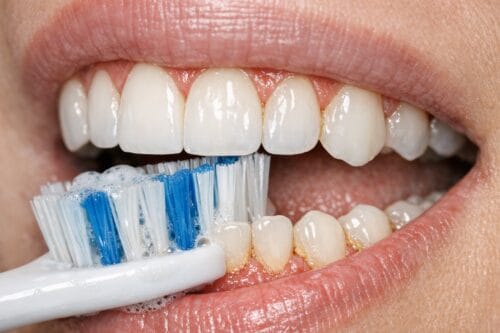
The angle you brush at also matters. Most people brush across the front of their teeth and call it done. The gum line-where the tooth meets soft tissue-needs direct attention because that junction is one of the first places bacteria take hold. An electric toothbrush with the correct angle can effectively clean as part of your daily routine. A flat, sweeping motion tends to miss it.
Brushing technique, bristle firmness, and how long you actually spend brushing all affect how much protection you get. Two minutes is the standard recommendation. But research has indicated that most people brush for under a minute on average. That gap is worth addressing.
Brushing is an important part of oral hygiene, but it should not be the only focus. Learn more about preventing tooth decay and what else you can do to protect your smile.
What is the Role of Flossing, Rinsing, and Tools Most People Skip?
Flossing is the most skipped step in most people’s routines, and the consequences are real. Gum disease begins between the teeth, in the spaces a toothbrush can’t reach. According to the CDC, nearly half of adults over 30 have some form of gum disease, and skipping floss is a leading factor.
Technique matters more than frequency here. Curve the floss around each tooth in a C-shape and slide it gently below the gum line. Daily brushing, along with a quick snap, does very little-it misses the area where bacteria actually build up, especially when circular motions are not employed.
Mouthwash is worth adding. But not as a replacement for anything. An antibacterial rinse can cut back on bacteria in challenging-to-reach areas and help with gum inflammation. Fluoride rinses are a separate thing-they work to strengthen enamel and are especially helpful for those with a higher chance of cavities.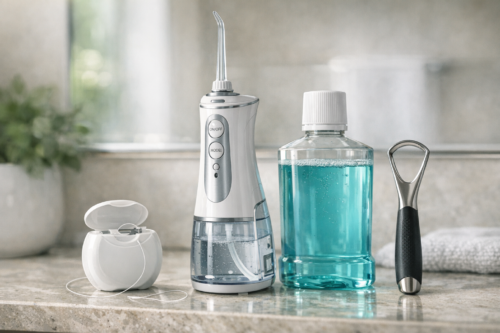
Water flossers are a suitable alternative for people who have a difficult time with traditional floss. They direct a stream of water between teeth to flush out debris. They are especially helpful with braces, implants, or tight spaces between teeth.
The tongue scraper is probably the most underused tool in oral care. Bacteria accumulate on the surface of the tongue and cause foul breath in a way that brushing the tongue alone does not address. A scraper takes about ten seconds to use.
| Tool | What It Targets |
|---|---|
| Dental floss | Plaque and debris between teeth |
| Water flosser | Debris around braces, implants, and tight gaps |
| Antibacterial mouthwash | Bacteria along the gum line |
| Fluoride rinse | Enamel strength and cavity prevention |
| Tongue scraper | Bacteria on the tongue surface |
How Diet and Hydration Quietly Shape Your Oral Health
Your dentist asks about your diet for a reason. What you eat and drink as part of a healthy diet directly changes the environment inside your mouth, and that environment determines how quickly bacteria grow and how well your enamel holds up, which is crucial for your overall dental health.
Sugar is the main fuel source for the bacteria that cause cavities. When those bacteria break sugar down, they release acids that wear into enamel over time. Acidic foods and drinks-citrus, soda, and vinegar-based sauces-are similar. They soften enamel directly, which makes teeth more vulnerable to damage and decay.
Dehydration plays a quieter role that many people never connect to their teeth. Saliva is your mouth’s natural defense; it washes away food particles and helps to neutralize acids. When you are not drinking enough water, saliva production drops and bacteria have an easier time taking hold.
Foods That Help or Harm Your Teeth
| Better for Your Teeth | Harder on Your Teeth |
|---|---|
| Water (especially fluoridated) | Soda and sports drinks |
| Dairy products like cheese and milk | Citrus fruits and juices |
| Crunchy vegetables like carrots and celery | Sticky sweets and dried fruit |
| Leafy greens | Starchy snacks like crackers and chips |
| Nuts and seeds | Alcohol and coffee |
Dairy products are worth a mention here because they have calcium and casein, which help to strengthen enamel and cut back on acid levels in the mouth. Crunchy vegetables also stimulate saliva flow, which is a natural bonus.
The bigger factor is finding your patterns instead of cutting everything out. Snacking frequently throughout the day keeps your teeth in a non-stop state of acid exposure, which is harder on enamel than eating the same foods in one sitting. Regular dental cleanings can also help offset some of the damage that diet leaves behind over time.
What Happens When You Delay Dental Checkups?
Home habits play a significant role. in maintaining dental hygiene. However, there are limits to their effectiveness. No amount of brushing and flossing lets you see what’s going on below the gumline or at the back of your mouth, where problems like plaque buildup can start quietly.
A scheduled checkup covers more than you might expect. Your dentist will look at your gums for early signs of disease, check your bite and jaw alignment, and look at soft tissues for anything that looks out of place. Oral cancer screenings are part of the process too, and early detection makes a difference to treatment results.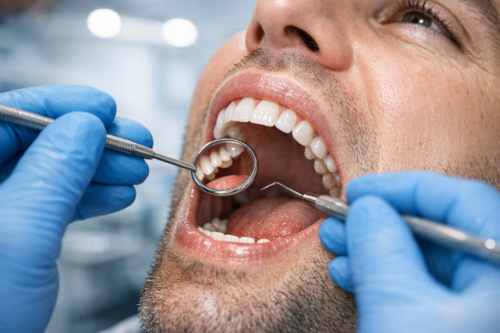
The most common reason to put off visits is cost, followed by anxiety and the assumption that no pain means no problem. That last one is worth tackling directly-conditions like gum disease and the early stages of tooth decay don’t hurt until they have already progressed.
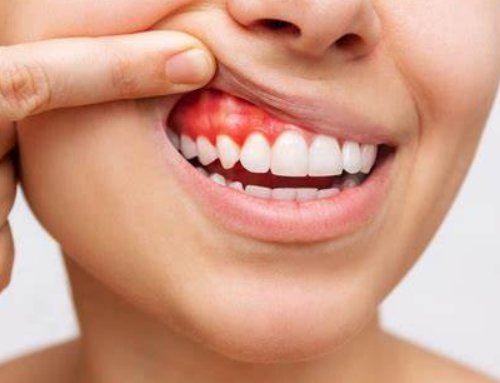
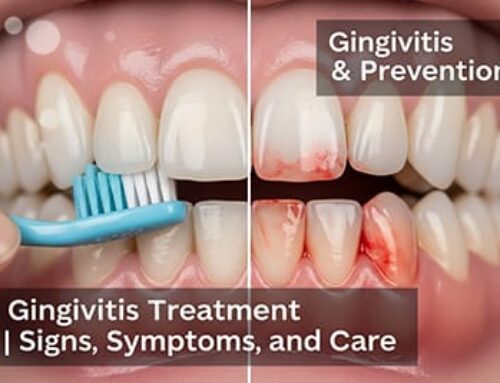
Gum disease caught in its early stage, called gingivitis, is reversible with a clean and some adjustments to your routine. Left alone, it can develop into periodontitis, which damages the bone that holds your teeth in place and can’t be undone.
| What a Routine Checkup Covers | Why It Matters |
|---|---|
| Cavity detection | Small cavities are quick to fill; larger ones may need crowns or root canals |
| Gum health assessment | Early gum disease is treatable; advanced stages cause permanent damage |
| Oral cancer screening | Survival rates are much higher with early detection |
| Bite and jaw check | Misalignment can cause headaches and uneven tooth wear |
| Professional clean | Removes hardened buildup that brushing cannot reach |
Delaying a visit increases the likelihood of an easy fix turning into a tough one. That is not meant to cause worry-it’s just how teeth work.
Small Daily Habits That Add Up to a Healthier Mouth
If you want an easy place to start, here are a few easy steps you can put into practice: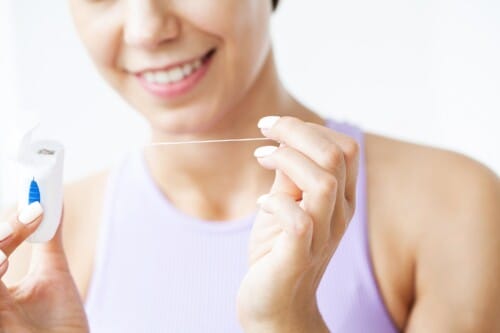
- Brush twice a day for two minutes using a fluoride toothpaste.
- Floss once a day to clean where your toothbrush cannot reach.
- Drink more water, especially after meals, to help rinse away bacteria and food particles.
- Limit sugary and acidic foods and drinks that wear down enamel over time.
- Schedule your next dental checkup if you have not been in the past six months.
Your mouth reflects your health, and caring for it is a simple way to invest in yourself. You don’t need a perfect schedule immediately-just start where you are and build from there. Your dentist is always there to support you and guide you through every step of the process. Learn more about steps to prevent dental disease.
Conclusion: What is YOUR oral hygiene routine?
An effective oral hygiene routine includes brushing teeth twice daily with fluoride toothpaste, flossing regularly, and using mouthwash to prevent oral disease. Additionally, for those considering dental implants, visiting your dentist for regular check-ups and cleanings will ensure optimal oral health. Staying hydrated and maintaining a balanced diet also contribute significantly to overall dental well-being.