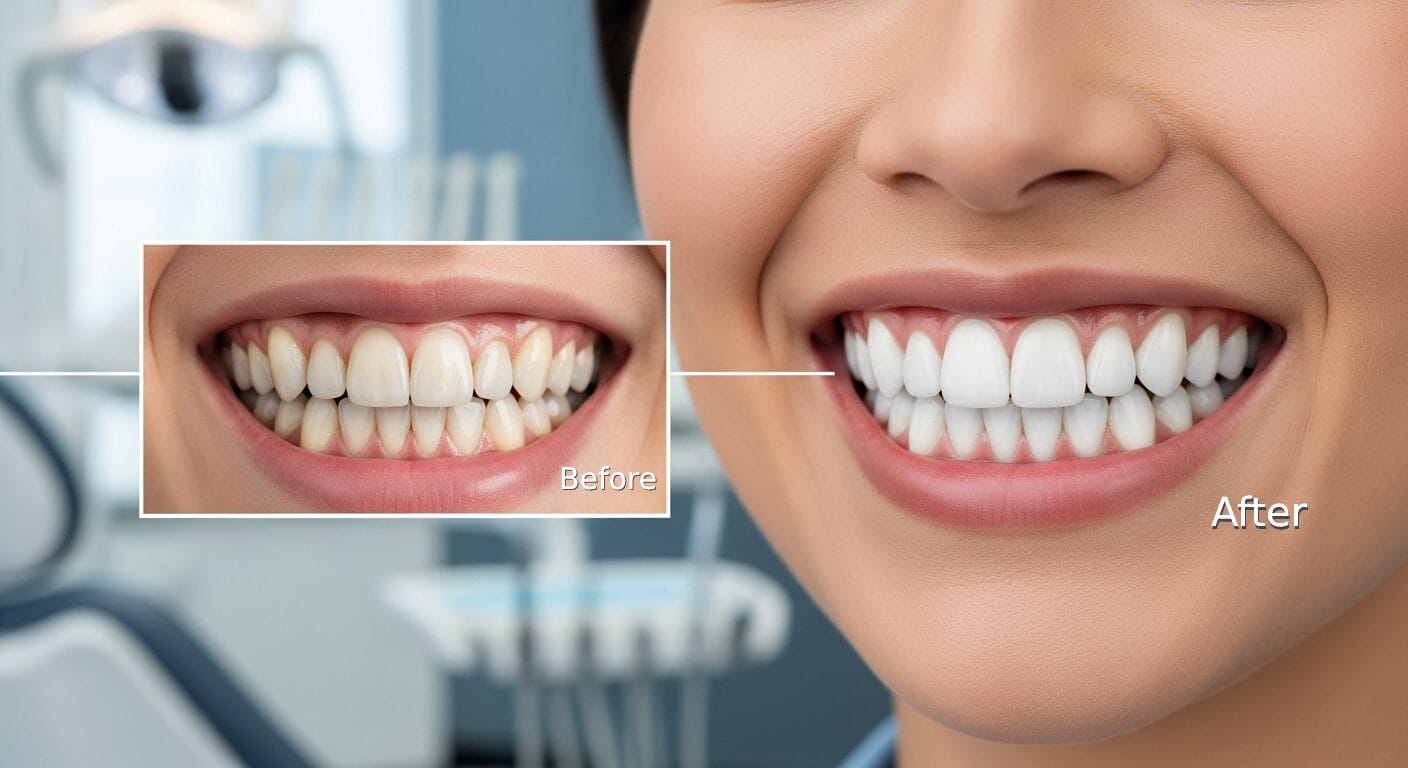
Despite their popularity, there is still a lot of confusion around what veneers actually are, how they work, and whether they are the right choice for everyone. Some assume they are purely cosmetic with no dental benefit, and others worry they are too invasive or irreversible to consider.
I’ll break down what dental veneers are, the different types available, what the process involves, and what you can realistically expect from them – so you can make a well-educated choice about whether they belong in your smile journey.
How Dental Veneers Work and What They’re Made Of
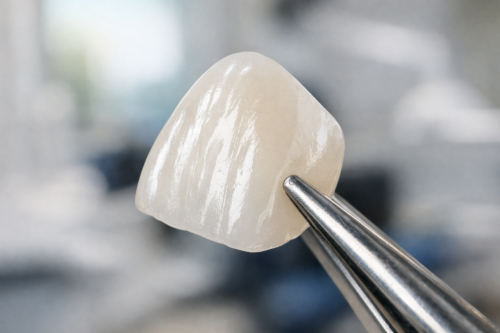
Dental veneers work by covering the front surface of teeth to improve their shape, color, and overall appearance. A small amount of enamel is usually removed to ensure a proper fit, and impressions are taken to create custom veneers. These thin shells are then bonded securely to the teeth using a strong dental adhesive. Veneers are commonly made from porcelain or composite resin. Porcelain veneers are durable, stain-resistant, and closely resemble natural teeth, while composite veneers are more affordable and can often be applied in a single visit. Both options provide a smooth, natural-looking finish that enhances your smile.
What Dental Problems Veneers Can and Can’t Fix?
Dental veneers are a versatile cosmetic solution that can fix several common issues, including stained or discolored teeth, small chips, minor cracks, gaps between teeth, and slightly uneven or misshapen teeth. They can also improve the appearance of mildly crooked teeth without orthodontics. However, veneers are not suitable for more serious dental problems. They cannot correct severe misalignment, major bite issues, or significant tooth decay. Patients with gum disease or weakened enamel may need treatment before veneers are an option. In such cases, procedures like braces, crowns, or restorative dental work may be more appropriate solutions.
The Step-by-Step Veneer Procedure
Getting veneers takes at least two dental visits, sometimes three. The first is a consultation where your dentist checks your teeth and talks through what you want to change. X-rays or impressions may be taken at this stage.
The second visit is where the work begins. Your dentist removes a thin layer of enamel from the front of each tooth to make room for the veneer. This removal is permanent – once that enamel is gone, your teeth will always need to be covered.
After the enamel is removed, your dentist takes a mold of your teeth and sends it to a lab, where your custom veneers are made, which usually takes one to two weeks. Temporary veneers are placed in the meantime to protect your teeth.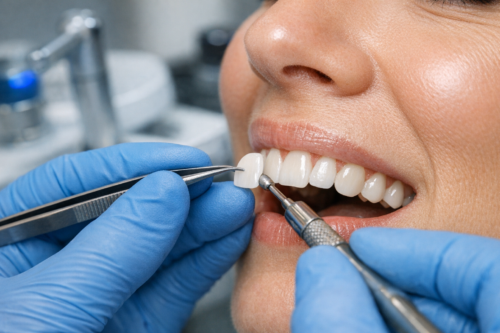
At the final visit, your dentist checks the fit and color of your permanent veneers before bonding them to your teeth. Small adjustments can be made at this point. Once everything looks right, a light is used to harden the adhesive and lock each veneer in place.
The whole process from start to finish usually takes a few weeks. Most people don’t find it painful, though your teeth may feel sensitive after the enamel removal.
What are the real costs of veneers, and how long do they last?
The real cost of dental veneers varies based on material, location, and the number of teeth treated. Porcelain veneers typically cost more, often ranging from $900 to $2,500 per tooth, while composite veneers are more affordable, usually between $250 and $1,500 per tooth. Although the upfront cost can be significant, veneers are considered a long-term investment in your smile. Porcelain veneers generally last 10 to 15 years or longer with proper care, while composite veneers may last 5 to 7 years. Maintaining excellent oral hygiene and regular dental visits can help extend their lifespan and keep them looking their best.
Who Gets Veneers and What Shapes Their Decision?

People who get veneers are typically individuals looking to improve the appearance of their smile, including those with stained, chipped, uneven, or slightly misaligned teeth. Many patients choose veneers for a quick, long-lasting cosmetic enhancement without undergoing lengthy orthodontic treatment. Factors such as budget, desired results, and overall oral health often shape the decision. Lifestyle and confidence goals also play a role, as veneers can create a more polished, uniform look. A dentist’s recommendation is important, helping determine if veneers are suitable based on tooth condition, enamel strength, and long-term expectations for durability and maintenance.
Is Getting Veneers the Right Move for You?
Getting veneers can be the right choice if you want to improve the appearance of your smile and have healthy teeth and gums. They are ideal for fixing discoloration, minor chips, gaps, or slightly uneven teeth. However, veneers require removing a small amount of enamel, making the process permanent. Your decision should consider cost, long-term maintenance, and your overall dental health. If you’re looking for a fast, dramatic cosmetic improvement, veneers can be a great option. Consulting with a dentist is essential to determine if veneers align with your goals and whether alternative treatments may better suit your needs.
The first step is to schedule a consultation with a qualified dentist or cosmetic dental specialist. They can assess your teeth, discuss which veneer type fits your budget and needs, and explain the process.
With the right care, veneers can be a worthwhile investment in your appearance and your sense of confidence.