CEREC Same-Day Crowns changed all of that. CEREC stands for Chairside Economical Restoration of Esthetic Ceramics, and the name says quite a bit about what it does – it’s a dental technology system that lets dentists design, create, and place a porcelain crown in a single appointment – right in the office, in just a matter of hours. No temporary crown. No second visit. No waiting.
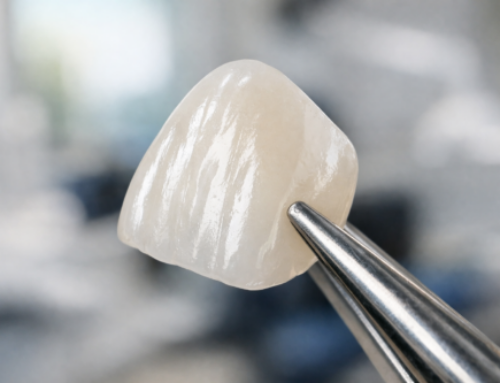
A crown itself is a tooth-shaped cap that fits over a damaged or weakened tooth to restore how it looks and how it functions. What CEREC changed is not the crown – it’s how fast and how efficiently that crown can be made. Using digital scans and in-office milling equipment, dentists can now build a crown that fits your tooth on the same day you come in.
If you are wondering how the process actually works, what it might cost you, and if it’s the right option for your situation, this post will talk about it.
How CEREC Same-Day Crowns Are Made at Your Dentist’s Office
The entire process happens in a single visit, and it all takes place in the same chair. There is no lab across town, no courier, and no mystery about where your crown is being made.
It starts with an online scan of your tooth. Your dentist uses a small handheld camera to capture a precise 3D image of the area, which takes just a few minutes. That image goes directly into design software on a screen right in the room, and your dentist uses it to map out the exact shape and size of your new crown.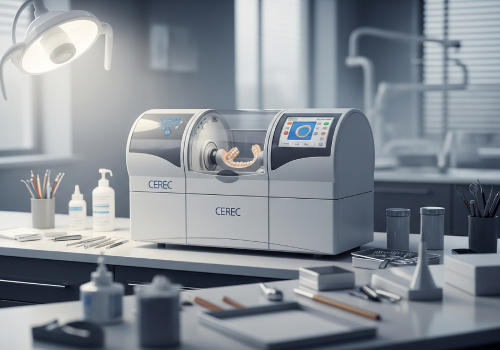
Once the design is ready, it gets sent to a milling unit – a compact machine that sits in the dental office. The machine carves your crown from a ceramic block in roughly 15 minutes. It is a very precise cutting machine that works from the digital blueprint your dentist just created.
After milling, the crown gets polished and color-matched to blend with your surrounding teeth. Then your dentist checks the fit and cements it in place. From scan to finished crown, the whole thing happens in a single appointment. For patients, that means one round of anesthesia, one set of x-rays and one trip to the dentist instead of two or three.
What Changed From Traditional Crowns to Same-Day Crowns
The old process took two visits and about two weeks in between. A dentist would press a putty-like material into your mouth to take an impression, send that mold to an outside lab, and fit you with a temporary crown to wear while you waited.
That temporary crown was the weak point – it was made from softer material and could crack, come loose, or just feel uncomfortable for days on end. You had to watch what you ate and hope it stayed in place until your second appointment.
Then there was the time off work. Two dental visits for one crown meant two mornings or afternoons away from your schedule. For many patients, that was the most frustrating part – not the procedure itself, but the time it pulled out of a normal week.
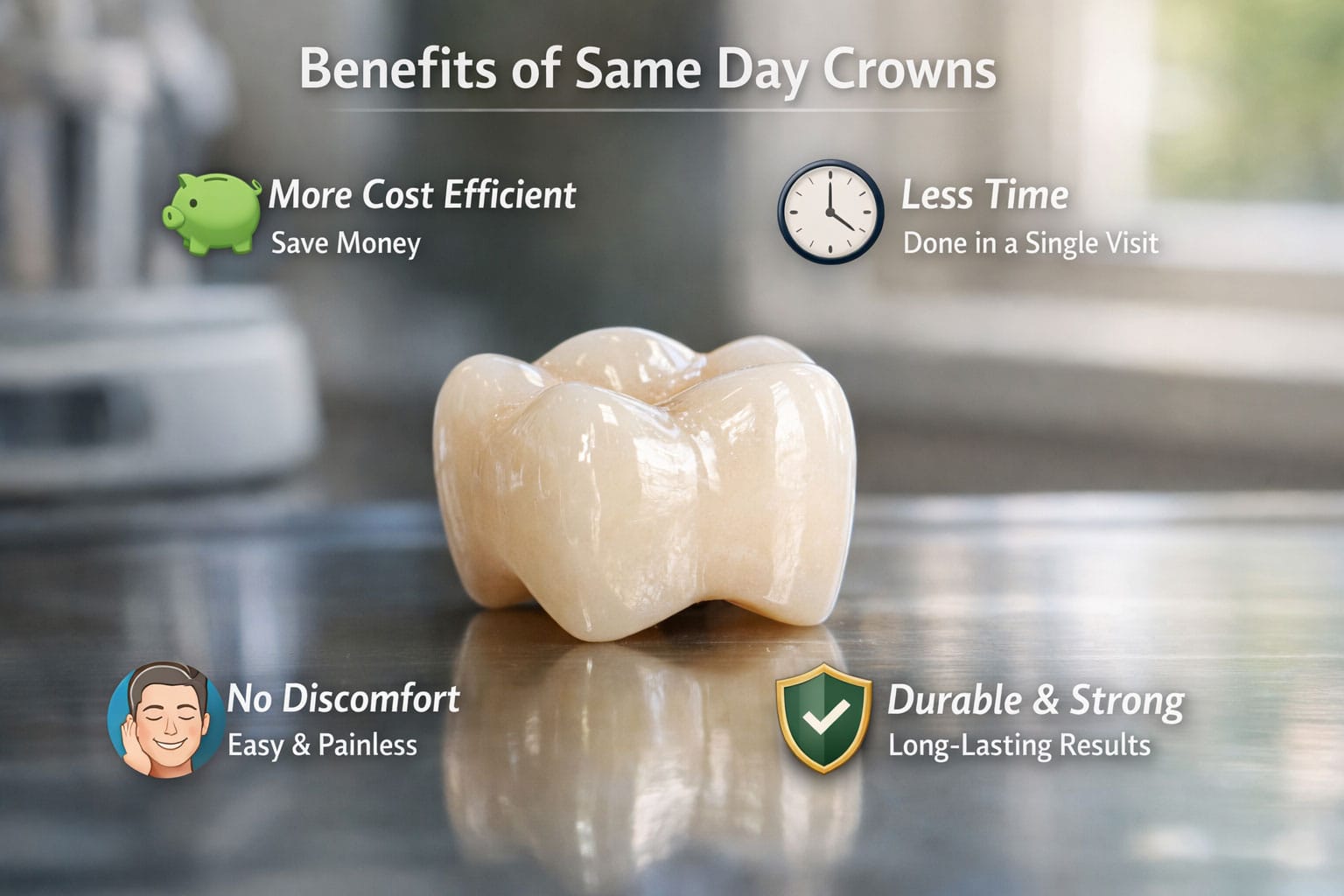
CEREC replaced that with a single appointment. The in-office scan, the milling, and the final fit happen the same day, so there’s no lab, no temporary crown, and no second visit to book. The wait that used to be a standard part of a crown just stopped being necessary.
A two-week wait for something a dentist can finish in a few hours no longer makes sense for most patients, and the dental industry has largely moved in that direction as the technology became more widely available.
How Long CEREC Crowns Last and What the Numbers Say
A common assumption is that speed comes at the expense of quality. With CEREC crowns, the research shows something different. Studies published in the Journal of Prosthetic Dentistry put the ten-year success rate at between 94% and 97%. That is comparable to traditional lab-made crowns, which have decades of data behind them.
In terms of lifespan, CEREC crowns can last 15 years or more with normal care. That number can depend on where the crown sits in your mouth and how well you look after it. A crown on a back molar takes quite a bit more force than one on a front tooth.
Patient satisfaction tells a similar story. A 2023 survey from Dentsply Sirona found that 91% of patients were satisfied with their CEREC crown.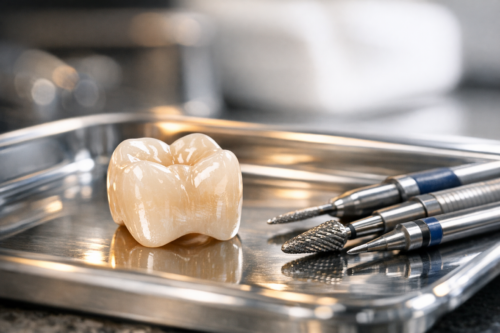
Longevity matters for reasons that go beyond money. Dental work is disruptive. Every replacement crown means more time in the chair, more anesthetic, and more recovery. A crown that lasts is one less thing to worry about for a long stretch.
The materials used in CEREC crowns are milled from ceramic blocks, which means there are no layered parts that can separate over time. The single-piece construction is part of why the durability numbers hold up.
The Cost of CEREC Crowns and What Affects the Price
Most patients pay between $500 and $1,500 per tooth for a CEREC crown. That range is wide, and a few things explain why.
Where you live matters. Dental practices in bigger cities or higher-income areas tend to charge more than the ones in smaller towns. The difficulty of your restoration matters too – an easy crown on a back molar is a different job than one that needs extra shaping or color-matching to blend with surrounding teeth.
Insurance is worth a phone call before your appointment. Some plans cover a part of CEREC crowns under the same terms as traditional crowns, and others treat them differently. Your dentist’s office can help you get a pre-treatment estimate so there are no unexpected totals at checkout. If you’re unsure what your plan covers, learn how to find out if your insurance is accepted.
A traditional crown process usually means two appointments, a temporary crown to manage in the meantime, and time away from work on both days. For many people, that lost time has a dollar value attached to it. Same-day crowns aren’t available at every dental office, so it’s worth checking before you book.
Temporary crowns can also come loose or break, which sometimes means an unexpected third visit. It’s not a common problem, but it does happen – and it can add cost. There’s also special care required for same-day crowns that can help you avoid complications.
CEREC crowns can cost a little more at the front end. But the total picture looks different once you factor in everything a second appointment takes from you. If upfront cost is a concern, it’s worth asking your provider about payment plans or financing options. You can also explore financing options for dental care through third-party providers.
Who Is a Good Fit for CEREC Same-Day Crowns
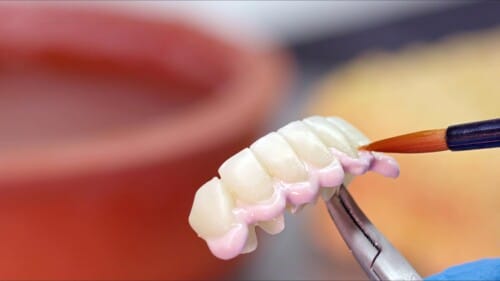
If you’ve been told you need a crown, you’re probably wondering if the same-day option is right for you. The good news is that it often is. CEREC crowns work well for teeth that are cracked, chipped, decayed, or worn down from grinding.
Teeth with damaged enamel are a great use case too. If a tooth has lost enough surface to make eating uncomfortable, a CEREC crown can restore it in one visit without weeks of waiting.
That said, not every situation calls for this. A tooth that needs structural rebuilding beneath the gumline may be better handled with a lab-made crown instead. Your dentist will take a close look before recommending anything.
Some wonder if their anxiety about dental work should factor into the choice – it can. Fewer appointments means less time in the chair overall, which patients find easier to manage emotionally.
There are a few other cases where CEREC might not be the first choice. Patients who need a crown as part of a bigger treatment plan – like implants or bridgework – may need a different timeline. The technology also works best when there’s enough healthy tooth structure left to support the crown.

The best way to find out is to ask your dentist. They can look at your tooth, talk through your options, and tell you if same-day treatment fits your situation.
Is a Same-Day Crown the Right Call for You?
Bringing these questions to your next visit puts you in a much stronger position to choose an option that fits your schedule, your budget, and your comfort level. Your dentist can talk about what the process would look like for your particular tooth and help you weigh if same-day is the right path forward.
Dental care has come a long way. Getting a crown used to mean two appointments, a temporary fix in between, and weeks of waiting. Today, patients walk in with a damaged tooth and leave the same afternoon with a permanent restoration already in place. That progress is worth learning about – and worth asking for.