Sedation dentistry has transformed the way patients experience dental care. For individuals with dental anxiety, sensitive teeth, or fear of pain, sedation options make procedures more comfortable and stress-free. Whether you’re considering IV sedation dentistry, oral sedation, or laughing gas, understanding how it works can help you feel more confident before your appointment.
This guide answers the most common questions about sedation dentistry and links to trusted medical resources for more profound learning.
1. Is Sedation Dentistry Safe?
One of the most frequently asked questions is whether sedation dentistry is safe. The short answer: yes, when performed by trained professionals, sedation dentistry is very safe.
Dentists carefully review your medical history, medications, and overall health before recommending any sedation method. During the procedure, vital signs like heart rate and oxygen levels are monitored to ensure patient safety.
According to Sedation Dentistry Overview (Cleveland Clinic), sedation dentistry uses controlled medications to help patients relax while remaining responsive, significantly reducing stress without compromising safety.
While complications are rare, mild side effects like drowsiness or nausea can occur. Most resolve it within a day.
2. Will I Be Completely Unconscious?
A common misconception is that sedation dentistry always means being “put to sleep.” In reality, most dental sedation is conscious sedation, meaning you are awake but deeply relaxed.
- Mild sedation (nitrous oxide): Awake and calm
- Moderate sedation (oral or IV): Drowsy, may fall asleep briefly
- Deep sedation/general anesthesia: Fully unconscious (less common)
Most general dentists use conscious sedation rather than full anesthesia. You’ll still be able to respond to instructions, even if you feel very relaxed or sleepy.
3. What Types of Sedation Are Used?
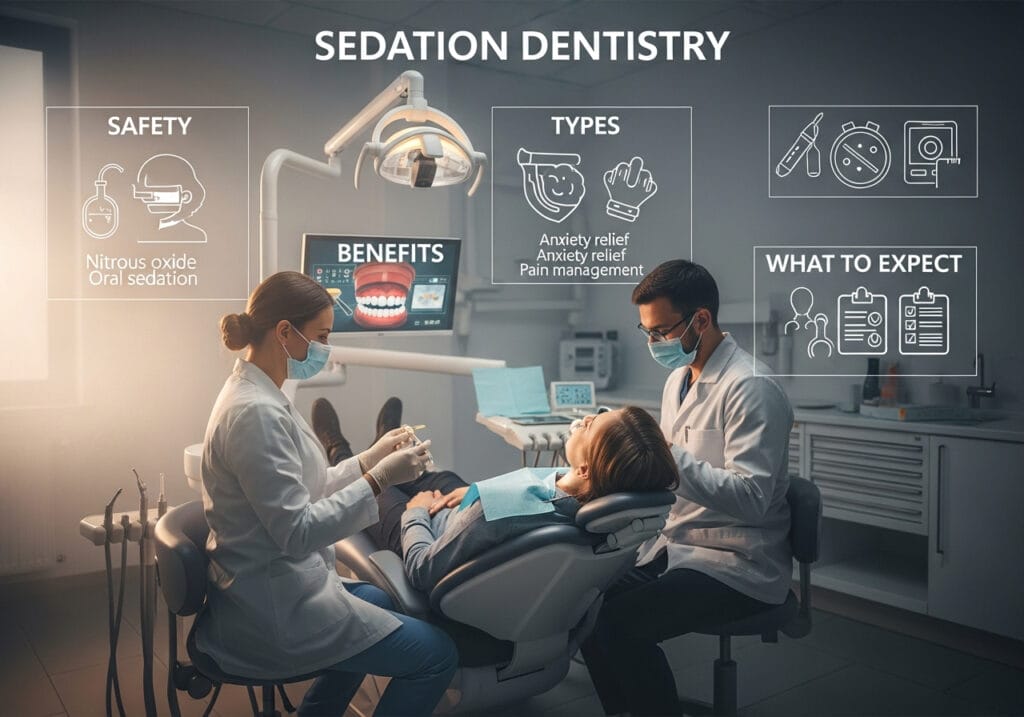
There are several types of sedation dentistry, each suited to different anxiety levels and procedures: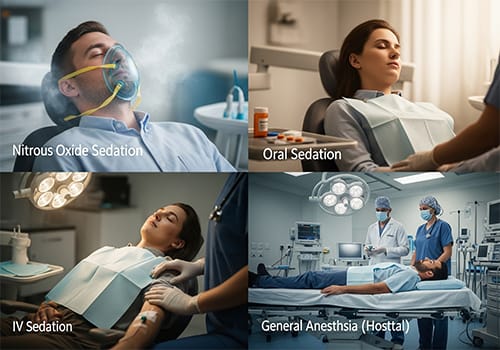
Nitrous Oxide (Laughing Gas)
- Inhaled through a mask
- Takes effect within minutes
- Wears off quickly
- Ideal for mild anxiety
Oral Sedation
- Taken as a pill before treatment
- Produces deeper relaxation
- Effects last several hours
- Often used for moderate anxiety
IV Sedation Dentistry
- Administered directly into the bloodstream
- Works quickly and deeply
- Often causes little to no memory of the procedure
- Best for severe dental anxiety or long procedures
General Anesthesia
- Patient is fully unconscious
- Typically reserved for complex surgeries or extreme cases
Each method varies in intensity, cost, and recovery time, so your dentist will recommend the best option for your needs.
4. Will I Feel Pain During the Procedure?
Sedation dentistry is designed to minimize or eliminate discomfort. In most cases:
- Sedation is combined with local anesthesia
- You may feel pressure but not pain
- Many patients report being unaware of the procedure entirely
Sedation also increases your pain threshold and reduces sensitivity, making even complex procedures feel manageable.
5. How Long Does It Take to Wear Off?
 Recovery time depends on the type of sedation used:
- Nitrous oxide: 15–30 minutes; you’ll feel normal quickly
- Oral sedation: 6–8 hours of drowsiness
- IV sedation: 12–24 hours for full recovery
Even after you feel awake, it’s recommended to rest and avoid important decisions for the remainder of the day if you’ve had deeper sedation.
6. Can I Drive Myself Home Afterward?
This depends on the sedation type:
- ✅ Nitrous oxide: Usually safe to drive yourself home
- ❌ Oral sedation: Requires a driver
- ❌ IV sedation: Requires a driver and supervision
Because oral and IV sedation impair coordination and judgment, dentists require patients to arrange transportation in advance.
7. Will I Remember Anything?
Memory loss is actually a benefit for many patients.
- Nitrous oxide: You’ll remember most of the procedure
- Oral sedation: Partial or fuzzy memory
- IV sedation: Often little to no memory
This “amnesic effect” helps patients avoid forming negative associations with dental visits, making future appointments easier.
8. Who Is a Good Candidate for Sedation Dentistry?
Sedation dentistry is ideal for people who:
- Experience dental anxiety or phobia
- Need extensive or multiple procedures
- Have a strong gag reflex
- Have difficulty sitting still
- It’s also helpful for patients with special needs or those undergoing long or complex treatments.
It’s also helpful for patients with special needs or those undergoing long or complex treatments.
However, certain conditions (like respiratory issues or pregnancy) may require modified essentials. s, so a consultation is essential.
9. Are There Side Effects of Sedation Dentistry?
 Sedation dentistry is generally well tolerated, but possible side effects include:
- Drowsiness
- Dry mouth
- Headache
- Nausea or vomiting
- Bruising (with IV sedation)
Nitrous oxide may occasionally cause mild dizziness or nausea, but these effects are usually short-lived.
Serious complications are rare, especially when sedation is administered by trained professionals in a controlled environment.
10. Is Sedation Dentistry Covered by Insurance?
Insurance coverage for sedation dentistry varies:
- Nitrous oxide: Sometimes not covered
- Oral and IV sedation: May be partially covered if medically necessary
- General anesthesia: More likely covered for surgical procedures
Costs can range from $50 for laughing gas to over $1,000 for IV sedation, depending on location and procedure complexity.
It’s best to check with your dental office and insurance provider before scheduling treatment.
11. Is It Worth It for Dental Anxiety?
For many patients, sedation dentistry is life-changing.
Dental anxiety prevents millions of people from seeking care, leading to worsening oral health over time. Sedation dentistry removes that barrier by making visits comfortable, manageable, and often stress-free.
Benefits include:
- Reduced fear and anxiety
- Ability to complete multiple procedures in one visit
- Little to no memory of treatment
- Improved long-term oral health
In fact, sedation dentistry often allows dentists to work more efficiently, reducing the number of appointments needed.
Final Thoughts: Should You Consider Sedation Dentistry?
Sedation dentistry is more than just a comfort option—it’s a powerful tool for improving oral health and patient experience. Whether you need a routine cleaning or a complex procedure, sedation can help eliminate fear, reduce pain, and make dental care accessible.
If you’ve been avoiding the dentist due to anxiety or discomfort, talking to your provider about sedation options could be the first step toward a healthier smile.
For more in-depth medical guidance, visit: