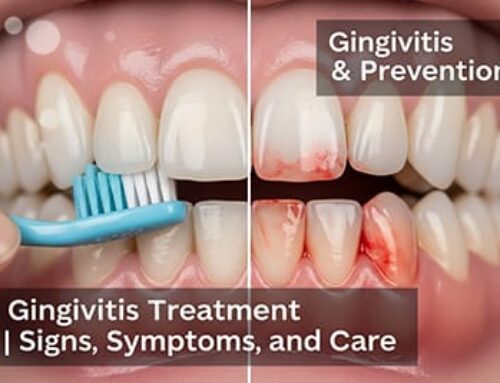
Despite being one of the most prevalent oral health problems, people often overlook gingivitis. Millions of people experience gingivitis symptoms like bleeding gums or swollen gums without realizing they have gum disease. Although gingivitis is completely reversible, many patients ignore the initial signs. Understanding the causes of gingivitis and how to treat it early is essential for maintaining oral and overall health. With proper education, early detection, and professional guidance, you can reverse gum disease before it progresses. Learn more about Periodontal (Gum) Disease.
 Understanding the Symptoms and Stages of Gum Disease
 Understanding the Symptoms and Stages of Gum Disease
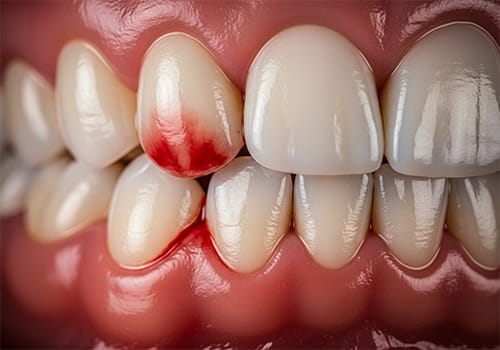
Periodontal disease doesn’t happen overnight. Gum disease progresses through stages, beginning with gingivitis and potentially advancing to periodontitis. The earliest stage affects only the gums, producing bleeding gums, swollen gums, and sometimes receding gums. Persistent bad breath may also appear. Untreated gingivitis can progress into periodontitis, affecting the bone and ligaments that support teeth. Early detection is critical because once gingivitis symptoms worsen, the damage becomes more difficult and costly to treat.
Comparing Different Treatment Options for Gingivitis Reversal
Treatment ranges from home remedies to clinical interventions. Mild cases of gingivitis can often be resolved with home remedies such as brushing twice daily, flossing daily, using an antibacterial mouthwash, or rinsing with salt water. Coconut oil pulling may also help lower plaque and swelling. For persistent gingivitis treatment, professional care like scaling and root planing is highly effective. Laser therapy and dentist-prescribed antimicrobial gels or antibiotics may be required in more advanced cases. Combining professional care with proper at-home routines produces the best results.
The Importance of Early Detection and Treatment of Gingivitis
Early detection of gingivitis is crucial to prevent progression to periodontal disease. Recognizing early signs of gingivitis such as bleeding gums, swollen gums, or mild redness allows patients to act before irreversible damage occurs. With timely intervention, simple homecare routines—brushing, flossing, and antimicrobial rinses—combined with professional care like scaling and root planing can fully reverse gum inflammation. Delaying treatment allows plaque and tartar buildup to progress, increasing the need for costly dental procedures. Regular dental checkups, awareness of symptoms, and prompt treatment are the most effective ways to maintain healthy gums, preserve teeth, and avoid serious oral complications.
The Potential Risks and Complications of Untreated Gingivitis
 The Potential Risks and Complications of Untreated Gingivitis
Neglecting gingivitis can lead to periodontal disease, tooth loss, receding gums, and jawbone deterioration. Research also links gum disease to systemic health problems such as heart disease, type 2 diabetes, respiratory infections, and complications in pregnancy. Understanding gingivitis causes and treating them early helps prevent these serious complications. More detailed info can be found in Gingivitis and Periodontitis.
The Impact of Diet and Lifestyle on Gum Disease and Its Reversal
Your diet and lifestyle play a crucial role in gum disease prevention and reversal. Diets high in sugars and refined carbohydrates feed harmful bacteria, promoting plaque buildup and increasing the risk of gingivitis and periodontal disease. Nutrient-rich foods with vitamins C and D, calcium, and antioxidants help repair gums, reduce inflammation, and strengthen immunity. Lifestyle habits like quitting smoking, exercising regularly, managing stress, and staying hydrated improve circulation and oral health. Combined with proper homecare and professional gingivitis treatment, these habits can prevent early gum disease from progressing to serious complications.
The Significance of Professional Dental Care in Gingivitis Treatment
While homecare is critical, professional dental care ensures optimal results. Dentists utilize deep cleaning techniques such as scaling and root planing to eliminate tartar buildup both above and below the gumline, which homecare cannot address. Professionals also monitor gingivitis symptoms, check pocket depths, and provide guidance on how to treat gingivitis effectively. Combining in-office care with at-home routines ensures the best chance of reversing gum disease. Find more at Gingivitis Symptoms and Gingivitis Diagnosis.
Conclusion
Gingivitis is a warning sign that your gum health needs attention. When identified early, it is completely reversible. Understanding gingivitis symptoms, recognizing early signs of gingivitis, committing to proper oral hygiene, and partnering with dental professionals for regular check-ups can halt gum disease in its tracks. Whether you’ve noticed bleeding gums or swollen gums, now is the perfect time to take action. With early detection, professional gingivitis treatment, and consistent care, you can restore healthy gums and prevent serious dental problems. Learn more at Gum Disease and Oral Health.