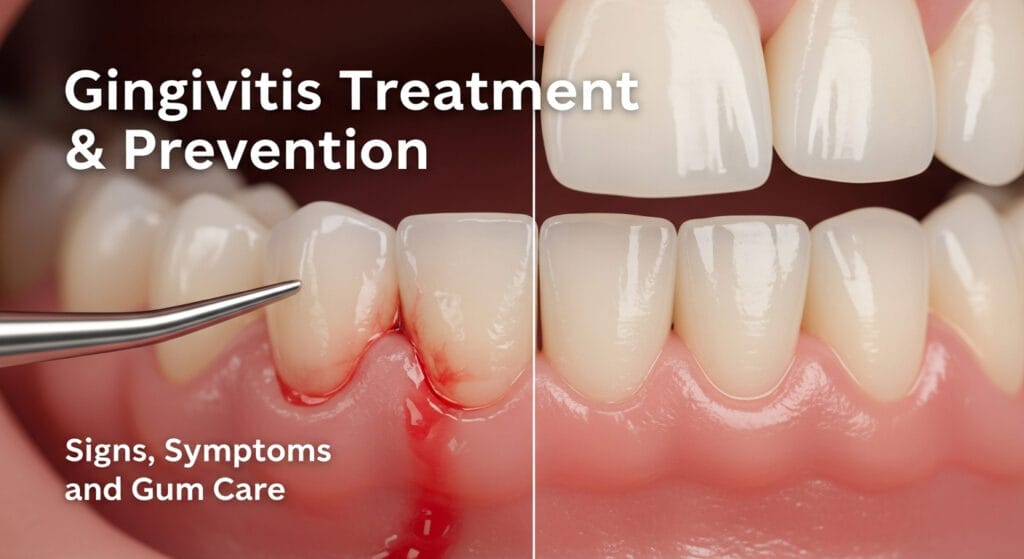
Gingivitis is the most common form of early gum disease, affecting a large percentage of adults and even some children. Despite how widespread it is, many people underestimate its impact because it often begins painlessly. However, ignoring early warning signs can allow the condition to progress into more severe periodontal disease. Understanding gingivitis symptoms, knowing the underlying how to treat gingivitis are essential steps toward maintaining long-term oral health.
What Is Gingivitis?
Gingivitis is a mild but significant inflammation of the gums caused by plaque buildup along the gumline. Plaque is a sticky film of bacteria that forms on teeth daily. If not removed through proper brushing and flossing, it hardens into tartar, which further irritates the gums.
This condition represents the earliest stage of early gum disease, making it highly treatable and reversible. Many patients first notice signs of gingivitis when they experience slight bleeding while brushing or flossing—an early red flag that should never be ignored.
What Causes Gingivitis?
The primary cause of gingivitis is inadequate oral hygiene, but several contributing factors can increase your risk. These include:
- Poor brushing and flossing habits
- Plaque and tartar accumulation
- Smoking or tobacco use
- Hormonal changes (pregnancy, puberty, menopause)
- Certain medications that reduce saliva flow
- Chronic illnesses such as diabetes
These factors are among the most common bleeding gums causes, and they create an environment where bacteria can thrive and inflame gum tissue. When patients search “why do my gums bleed”, the answer is often rooted in these underlying issues.
Common Gingivitis Symptoms
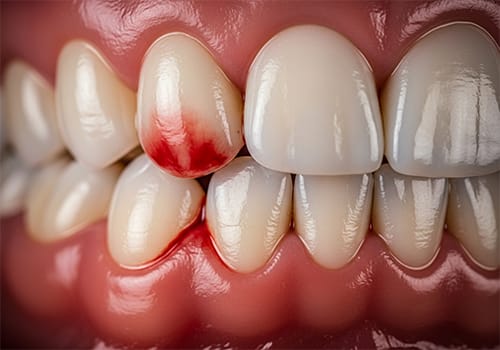 Recognizing gingivitis symptoms early is critical for preventing progression. While the condition may initially be painless, the visual and physical signs are usually noticeable:
- Red or purplish gums instead of healthy pink
- Swollen or puffy gum tissue
- Bleeding during brushing or flossing
- Persistent bad breath (halitosis)
- Gum tenderness or sensitivity
These are classic signs of gingivitis and should prompt immediate attention. Even minor bleeding is abnormal and is often the body’s response to bacterial irritation.
How to Treat Gingivitis
If you are wondering how to treat gingivitis, the good news is that early intervention is highly effective. A combination of professional care and improved at-home habits forms the foundation of successful gingivitis treatment.
Professional Dental Care
A dentist or hygienist will perform a thorough cleaning to remove plaque and tartar buildup. This step is essential for stopping bacterial growth and initiating healing.
At-Home Oral Hygiene
Daily care is equally important and includes:
- Brushing twice a day with fluoride toothpaste
- Flossing daily to remove plaque between teeth
- Using an antibacterial or antimicrobial mouthwash
These steps are critical components of both bleeding gums treatment and long-term gum disease treatment.
With consistency, many patients see noticeable improvements in their gingivitis symptoms within one to two weeks.
What Happens If Gingivitis Is Left Untreated?
If gingivitis is not addressed, it can progress into periodontitis, a more advanced and irreversible form of gum disease. At this stage, the infection spreads below the gumline, damaging the bone and connective tissue that support the teeth.
This progression emphasizes the importance of early gum disease treatment. Untreated gum disease can lead to:
- Gum recession
- Loose teeth
- Tooth loss
- Increased risk of systemic health issues
Taking action during the early gum disease stage prevents these serious complications.
How to Prevent Gingivitis
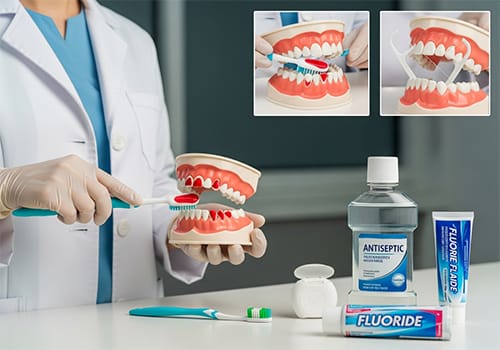 The most effective way to manage gingivitis is to prevent it altogether. Following a consistent oral care routine can significantly reduce your risk. To prevent gingivitis, adopt these habits:
- Brush thoroughly twice daily for at least two minutes
- Floss once a day to remove plaque between teeth
- Use an antibacterial mouthwash
- Maintain regular dental checkups and cleanings
- Avoid smoking or tobacco products
- Eat a balanced diet that supports gum health
Prevention not only stops gingivitis symptoms from developing but also reduces the likelihood of needing extensive gum disease treatment later.
Who Is at Risk for Gingivitis?
Although gingivitis can affect anyone, certain populations are more vulnerable. These include:
- Adults over the age of 30
- Smokers or tobacco users
- Individuals with poor oral hygiene habits
- Patients with chronic conditions like diabetes
- Pregnant women due to hormonal changes
However, even teenagers and young adults can develop early gum disease, especially if oral hygiene is inconsistent.
Trusted Resources for Gingivitis Information
For more detailed information on gingivitis treatment, bleeding gums treatment, and ways to prevent gingivitis, refer to these trusted sources:
- American Dental Association – https://www.ada.org
- Centers for Disease Control and Prevention – https://www.cdc.gov/oralhealth
- National Institute of Dental and Craniofacial Research – https://www.nidcr.nih.gov
- Mayo Clinic – https://www.mayoclinic.org
- Cleveland Clinic – https://my.clevelandclinic.org
These organizations provide evidence-based guidance on oral health, symptoms, and treatment options.
Final Thoughts
Gingivitis is a common but highly manageable condition when addressed early. Understanding gingivitis symptoms, identifying bleeding gums causes, and knowing how to treat gingivitis can make a significant difference in your oral health outcomes.
If you find yourself asking, “why do my gums bleed?”, it is important not to ignore the warning signs. Early intervention with proper gingivitis treatment, combined with daily habits to prevent gingivitis, can restore your gum health and protect your smile for years to come.