Why Do My Teeth Hurt? Learn Common Causes and Solutions
Key Highlights
Here’s what you need to know about tooth pain and sensitivity:
- Sudden tooth pain can be caused by various issues, including enamel erosion, cavities, or even a sinus infection.
- Tooth sensitivity often results from exposed dentin due to gum recession or worn-down enamel.
- Common causes for discomfort include tooth decay, gum disease, cracked teeth, and grinding your teeth at night.
- The type of pain you feel—sharp, throbbing, or lingering—can help identify the underlying problem.
- Proper dental care and regular check-ups are essential for preventing and treating tooth pain effectively.
Introduction
Have you ever felt a sudden jolt of pain when sipping a cold drink or biting into something sweet? You’re not alone. Tooth pain and sensitive teeth are incredibly common, but they aren’t random occurrences. When your teeth hurt, it’s a signal from your body that something is wrong. Understanding the source of your discomfort is the first step toward relief and maintaining your long-term oral health. This guide will walk you through the common reasons for tooth pain and what you can do about it.
How Do Tooth Sensitivity and Pain Develop?
Tooth sensitivity, also known as dentin hypersensitivity, happens when the protective layers of your teeth wear down, exposing the softer layer underneath. This layer contains tiny channels that lead directly to the nerve endings inside your tooth. When these channels are exposed, triggers like temperature or pressure can cause a sharp, sudden pain.
Teeth can often experience sudden pain without any apparent cause, often due to gradual enamel erosion that has finally reached a critical point. Identifying the underlying cause is crucial for finding the right solution and preventing the pain from worsening.
Understanding Tooth Anatomy: Enamel, Dentin, and Nerves
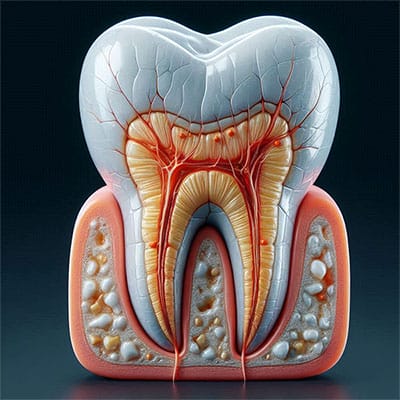
To grasp why your teeth hurt, it helps to know a bit about tooth structure. The outermost layer is the tooth enamel, the hardest substance in your body. It acts as a protective shield for the crown of your tooth. However, factors like acidic foods and aggressive brushing can wear it down over time.
Beneath the enamel lies the dentin, a softer, more porous layer filled with microscopic tubules. These tiny channels connect to the tooth’s nerve center. When enamel thins and dentin is exposed, you experience dentin hypersensitivity. This exposure is one of the most common causes of sensitive teeth, as external stimuli can now reach the nerve endings.
At the very center is the pulp, which contains the nerves and blood vessels. If irritation or decay reaches the pulp, the pain becomes more intense and persistent, signaling a more serious problem.
The Role of Gums and Root Exposure in Sensitivity
Your gums play a vital role in protecting your teeth. Healthy gum tissue forms a tight seal around each tooth, covering the sensitive tooth roots. However, if your gums start to pull back—a condition called gum recession—the roots become exposed.
Unlike the crowns of your teeth, the roots are covered by a thin layer called cementum, which is much softer than enamel. When root exposure occurs, the underlying dentin is left vulnerable. This is why you might feel pain when eating, drinking, or even brushing. The nerve endings are much closer to the surface on the roots.
This phenomenon can explain why your bottom teeth might feel more sensitive, as they are often susceptible to gum recession from issues like aggressive brushing or periodontal disease. The exposed roots on these teeth react more strongly to external triggers.
Pain caused by tooth cavities
Pain from Murrieta tooth cavities, also known as tooth decay, occurs when bacteria erode enamel and expose sensitive inner layers of the tooth. This can lead to sharp pain when eating, drinking, or even breathing in cold air. As tooth decay worsens, discomfort may become constant and severe. Early treatment for tooth decay is essential to prevent infection, nerve damage, and more complex dental procedures later on, protecting both comfort and long-term oral health.
Types of Tooth Pain: What they Mean
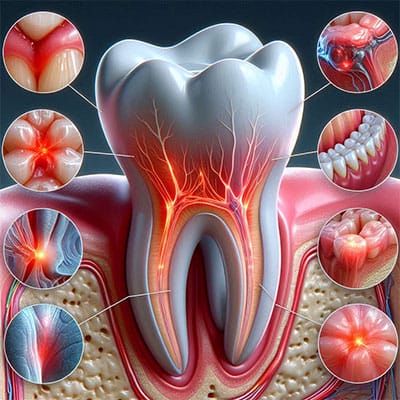 Not all tooth pain feels the same, and the specific sensation you experience can offer clues about the cause of the pain. Is it a quick, sharp pain when you drink something cold, or a constant, throbbing ache? Paying attention to the type of dental pain you’re feeling can help you and your dentist pinpoint the problem.
Understanding these differences is key to figuring out your next steps, whether that means trying a home remedy or calling your dentist immediately. Let’s explore what different kinds of pain might indicate.
Sharp, Short Pain
If you experience a sharp, short pain that appears suddenly and then vanishes, you’re likely dealing with sensitive teeth. Cold foods or drinks, sweet or acidic items, or even a blast of cold air often trigger this type of discomfort.
The primary cause is usually exposed dentin due to enamel erosion or gum recession. When the protective outer layer of your tooth is compromised, external stimuli can travel through the microscopic tubules in the dentin and stimulate the nerve, resulting in that sudden pain. It’s a quick, intense signal that something is irritating the tooth’s core.
For quick remedies to stop sensitive teeth pain, using a desensitizing toothpaste can help block these pain signals. Applying it directly to the sensitive area can provide temporary relief while you identify and address the root cause.
Lingering Pain After Hot or Cold
When tooth pain from temperature changes lingers for more than a few seconds, it often signals a more serious issue. This is different from the fleeting zap of typical tooth sensitivity. A prolonged ache after consuming hot or cold items suggests that the pulp—the soft tissue containing the nerve endings inside your tooth—is inflamed or damaged.
This could be due to deep decay, a crack, or trauma from extensive dental work. The nerve has become irritated and is overreacting to stimuli like hot coffee, ice cream, or even sweet foods. Ignoring this type of pain can lead to further complications, including infection or nerve death.
Foods or drinks that trigger this pain are usually those at extreme temperatures or high in sugar. It’s a clear warning sign that your tooth needs professional attention to prevent the problem from escalating.
Throbbing or Constant Pain
A throbbing or constant ache is a type of dental pain that you should never ignore. This intense pain often indicates an infection or abscess, which occurs when bacteria invade the tooth’s pulp and form a pocket of pus at the tooth roots. This buildup creates pressure, causing a persistent, pulsating sensation.
Other potential causes include a deep cavity that has reached the nerve or a severe cracked tooth. The pain might worsen when you lie down or chew, and it may be accompanied by swelling in your face or gums.
You should see a dentist immediately if you experience this kind of pain, especially if you also have a fever or swelling. A throbbing ache is often considered a Murrieta dental emergency because the infection can spread to other parts of your body if left untreated.
Pain When Biting
Feeling tooth pain when you bite down or chew points to a specific set of dental issues. This discomfort can be caused by a cracked tooth, where the pressure of biting flexes the crack and irritates the nerve. It could also stem from a cavity, a loose filling, or damage from recent dental work.
Occasionally, the issue is an imbalanced bite, which puts excessive pressure on a single tooth. This can happen after getting a new filling or crown that is slightly too high. The constant force from chewing can make the tooth sore and sensitive.
In some cases, pain when biting isn’t directly related to a tooth but to surrounding tissues, like an abscess at the root. It’s important to see a dentist to determine the root cause, as chewing shouldn’t be painful. While less common, persistent jaw pain when biting could signal other health problems like TMJ disorders.
Promenade Dental Care always focuses on pain-free treatment.
Promenade Dental Care prioritizes pain-free treatment in every aspect of tooth repair, combining advanced technology with compassionate care. From fillings and crowns to root canals, their team uses gentle techniques and modern anesthesia to minimize discomfort. Patients benefit from clear communication, personalized plans, and a calming environment designed to reduce anxiety. The goal is simple: restore oral health efficiently while ensuring each visit remains comfortable, stress-free, and reassuring.
What are the causes of tooth sensitivity and tooth pain?
Most Common Causes of Sensitive Teeth
If you’re wondering what the most common causes of sensitive teeth are, you’re not alone. This discomfort usually arises when the protective layers of your teeth wear away, exposing the sensitive dentin underneath. The primary culprits behind this are often related to your daily habits and oral hygiene.
Common causes include enamel erosion from acidic foods, aggressive brushing, gum disease that leads to root exposure, and tooth decay. Understanding these triggers is the first step toward finding relief and preventing future sensitivity.
Enamel Erosion from Acidic Foods and Aggressive Brushing
 One of the leading causes of sensitivity is enamel erosion, which is the gradual wearing away of your tooth enamel. Your diet plays a significant role in this process. Acidic foods and drinks can soften and dissolve enamel over time, leaving the sensitive dentin exposed.
Items that can trigger tooth pain or sensitivity include:
- Soda, sports drinks, and citrus fruits
- Wine and coffee
- Sugary candies and snacks
Another major contributor is aggressive brushing. Using a hard-bristled toothbrush or applying too much pressure can scrub away enamel and cause your gums to recede. Proper dental care involves using a soft-bristled brush and gentle, circular motions to clean your teeth effectively without causing damage.
Gum Recession and Periodontal Disease
Gum recession is a condition where the gum tissue pulls away from the teeth, leading to root exposure. This is a significant cause of tooth sensitivity because the roots are not protected by hard enamel. Periodontal disease, or gum disease, is a primary driver of this process.
It starts with gingivitis, an inflammation of the gums caused by plaque buildup. If left untreated, it can advance to periodontitis, where the infection damages the gum tissue and the bone supporting your teeth. This destruction causes the gums to recede, leaving the sensitive roots vulnerable to pain.
Maintaining good oral health at home by brushing gently and flossing daily is crucial for preventing gum disease. If your teeth are hurting due to suspected gum issues, rinsing with warm salt water can provide temporary relief, but a dental visit is necessary for proper treatment.
Tooth Decayand Cavities–When Bacteria Attack
Tooth decay is a destructive process that can lead to significant pain. It begins when bacteria in plaque buildup on your teeth consume sugars and produce acids. These acids eat away at your enamel, creating small holes known as cavities.
In the early stages, a small cavity might not cause any symptoms. However, as the decay progresses and penetrates deeper into the dentin, you’ll likely start to feel sensitivity to sweets, hot, or cold. If the bacterial infection reaches the tooth’s pulp, it can cause a severe and constant toothache.
You should see a dentist about tooth pain if you suspect a cavity. Visible holes, dark spots on your teeth, or pain when biting are all warning signs. Treating dental issues like cavities early can prevent the decay from spreading and causing more serious problems.
Why All My Teeth Hurt at Once: Widespread Triggers
Have you ever wondered why all your teeth hurt at once instead of just one? When you experience widespread dental pain, the root cause is often systemic rather than localized to a single tooth. This type of discomfort can be confusing and alarming, but it usually points to a few specific triggers.
Instead of a cavity or a cracked tooth, the problem might be related to grinding, jaw issues, or even a non-dental condition like a sinus infection. Let’s look at some of these widespread triggers that can make your entire mouth ache.
Grinding, Clenching, and Jaw Disorder
Grinding (bruxism) and clenching put excessive pressure on your teeth, which can cause widespread dental pain. Many people do this unconsciously, especially during sleep. This constant force can wear down enamel, create micro-fractures, and strain the muscles and temporomandibular joint (TMJ), leading to jaw pain and headaches.
Signs that you might be grinding or clenching include:
- Waking up with a sore jaw or dull headache
- Flattened or chipped teeth
- Increased tooth sensitivity throughout your mouth
This can explain why your teeth suddenly hurt for no obvious reason, as the damage accumulates over time. A dentist might recommend a custom night guard to cushion your teeth and evenly distribute the pressure, protecting them from further damage and alleviating the pain.
Sinus Pressure, Illness, and Habits That Trigger Tooth Pain
Yes, being sick can absolutely make your teeth hurt, especially if you have a sinus infection. Your sinus cavities are located just above your upper teeth. When these cavities become inflamed and filled with fluid due to a cold or allergies, the pressure can radiate downward and affect the roots of your upper molars.
This can create a dull, aching sensation that feels like a toothache but has nothing to do with your teeth themselves. The pain often affects several upper teeth at once and may feel worse when you bend over or move your head suddenly.
If your tooth pain is accompanied by nasal congestion, facial pressure, or other cold-like symptoms, a sinus infection is a likely cause of the pain. The discomfort should resolve once the sinus issue is treated with decongestants or other medication.
Foods, Drinks, and Habits That Trigger Tooth Pain
Certain foods, drinks, and habits are well-known for triggering tooth pain, especially if you have sensitive teeth or underlying dental issues. Items that are very cold, hot, sweet, or acidic are the most common culprits. They can cause a sudden, sharp pain by stimulating the nerves in your teeth.
Understanding what foods or drinks can trigger tooth pain or sensitivity is key to managing your discomfort. From your morning coffee to your evening dessert, what you consume can have a direct impact on your oral comfort. Let’s explore some of the biggest offenders.
Hot, Cold, and Sugary Foods Responsible for Sudden Discomfort
Sudden pain in your teeth is often a direct response to what you eat and drink. When your dentin is exposed, certain foods can easily trigger a reaction from your tooth’s nerve.
The most common triggers for tooth sensitivity include:
- Cold foods and drinks like ice cream, iced water, and popsicles.
- Hot beverages such as coffee and tea.
- Sweet foods like candy, soda, and desserts, which can cause a sharp ache, especially if you have a cavity.
These items cause a rapid change in temperature or an osmotic reaction that stimulates the nerve endings, resulting in sudden pain. Limiting these triggers and maintaining a balanced diet can help reduce episodes of discomfort. If sensitivity persists, it’s a sign that your teeth need attention.
The Impact of Whitening Products and Dental Treatments
It’s common to experience temporary sensitivity after certain dental treatments or when using whitening products. Teeth whitening agents work by penetrating the enamel to break down stains, but this process can also make the teeth temporarily porous and more reactive to stimuli.
This sensitivity is usually short-lived, fading within a few days. Using a desensitizing toothpaste before and after treatment can be a quick remedy to stop this sensitive teeth pain. Similarly, procedures like fillings, crowns, or deep cleanings can cause temporary inflammation and sensitivity as the tooth and surrounding tissues heal from the dental work.
If the discomfort from whitening products or dental work persists for more than a few weeks, it’s best to consult your dentist. They can ensure there isn’t an underlying issue and recommend solutions to manage the sensitivity.
What are the treatments for tooth sensitivity and tooth pain?
Treatment Options for Sensitive Teeth
If you have sensitive teeth, you don’t have to live with the discomfort. There are numerous treatment options available, ranging from simple at-home remedies to professional procedures performed by your dentist. The right solution depends on the cause and severity of your sensitivity.
Some at-home options can provide immediate relief, but for persistent issues, professional advice is essential. Treatments can include fluoride applications, dental bonding, or even a root canal in severe cases. Let’s explore the different ways you can find relief from tooth sensitivity.
Desensitizing Toothpaste
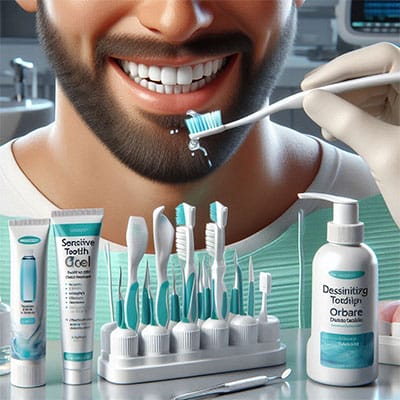 One of the simplest and most effective home remedies for sensitive teeth is using a desensitizing toothpaste. These toothpastes contain special compounds, like potassium nitrate or stannous fluoride, that work to block the pain signals traveling from the tooth surface to the nerve.
For these toothpastes to be effective, you need to use them consistently as part of your daily dental care routine. You may not feel immediate relief, but with regular use over a few weeks, you should notice a significant reduction in sensitivity. This is one of the best quick remedies for sensitive teeth pain that you can manage at home.
Maintaining good oral hygiene by brushing gently with a soft-bristled brush will enhance the effects of the toothpaste. For an extra boost, you can even rub a small amount of the toothpaste directly onto the sensitive areas before bed.
Fluoride Treatment
Fluoride is a powerful tool in the fight against tooth sensitivity. One of the most common causes of sensitive teeth is enamel erosion, and fluoride helps to strengthen and remineralize weakened tooth enamel. This makes your teeth more resistant to acid attacks from food and bacteria.
Your dentist can apply a professional-grade fluoride treatment in the form of a gel, foam, or varnish. This highly concentrated fluoride application provides a significant boost to your enamel’s defenses, helping to seal the microscopic tubules in your dentin that transmit pain signals.
These in-office treatment options are quick, painless, and can provide long-lasting relief from sensitivity. Your dentist may also recommend a prescription fluoride toothpaste or rinse for you to use at home as part of your ongoing dental care plan to keep your enamel strong.
Bonding or Sealants
For sensitivity caused by exposed tooth roots, dental bonding or sealants can be an excellent solution. If your teeth are hurting due to gum recession, these treatments provide a physical barrier that covers the sensitive, exposed dentin.
During a dental bonding procedure, your dentist applies a tooth-colored resin to the exposed root surface. This material is then hardened with a special light, effectively sealing the microscopic tubules in the dentin and stopping pain signals from reaching the nerve. The process is quick, minimally invasive, and provides immediate relief.
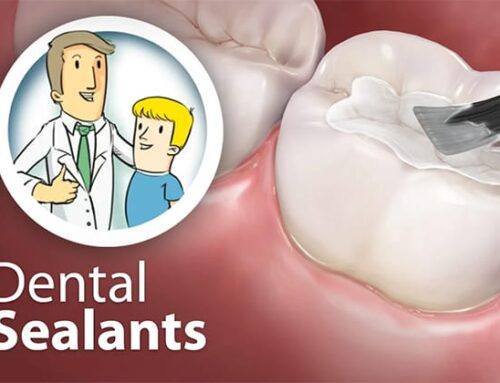
Sealants work similarly but are often applied to the chewing surfaces of molars to prevent decay. In cases of sensitivity, they can be used to cover worn areas. This form of dental care not only eases pain but also protects the tooth from further damage.
Gum Grafts
When gum recession is severe, a gum graft may be the most effective long-term solution. This surgical procedure is designed to cover exposed tooth roots by transplanting healthy gum tissue from another part of your mouth, typically the palate.
A gum graft not only resolves tooth sensitivity caused by exposed roots but also improves your overall oral health. By restoring the gum line, it protects the roots from decay, reduces the risk of bone loss, and enhances the appearance of your smile.
While it is a more involved procedure, it addresses the root cause of the problem rather than just managing the symptoms. Significant gum recession can sometimes be linked to bigger health problems or advanced periodontal disease, so addressing it is crucial for your long-term well-being.
Night Guards
If your dental pain is caused by grinding or clenching your teeth, a night guard is the recommended treatment. This protective device is worn over your teeth while you sleep to create a cushion between your upper and lower jaws. This can be the answer to why your teeth suddenly hurt for no obvious reason, especially upon waking.
A custom night guard, made by your dentist to fit your mouth perfectly, is the most effective option. It helps to distribute pressure evenly across your teeth, preventing excessive wear on your enamel and reducing strain on your jaw muscles. This can alleviate widespread tooth sensitivity, jaw pain, and morning headaches.
Using a night guard not only relieves current dental pain but also prevents further complications associated with bruxism, such as cracked teeth, flattened chewing surfaces, and TMJ disorders. It’s a simple, noninvasive way to protect your smile.
Root Canal Therapy
When tooth sensitivity becomes intense pain that is constant and throbbing, a root canal may be necessary. This procedure is recommended when the tooth’s pulp—the inner tissue containing nerves and blood vessels—has become infected or irreversibly damaged. This often happens due to deep decay, a severe crack, or trauma.
A root canal addresses the root cause of the pain by removing the infected or inflamed pulp. The inside of the tooth is then cleaned, disinfected, and sealed. Despite its reputation, modern root canal therapy is a relatively comfortable procedure that saves the natural tooth and relieves the intense pain.
You should see a dentist for this kind of pain, as it is often a dental emergency. Ignoring it can lead to a severe abscess, bone loss, and eventually tooth loss. A root canal is a way to save the tooth and eliminate the infection.
Home Remedies and Quick Relief for a Sensitive Teeth
When you’re dealing with the discomfort of sensitive teeth, finding quick relief is a top priority. Fortunately, several effective home remedies can help soothe the pain while you figure out the underlying cause. These simple solutions can make a big difference in your daily comfort.
While these tips are great for temporary management, remember that they are not a substitute for professional advice. If your sensitivity is severe or persistent, it’s always best to consult your dentist for proper dental care.
Best At-Home Care: Toothpaste, Rinses, and Desensitizing Tips
If your teeth are hurting, a few key home remedies can provide significant relief. The first line of defense is a good oral health routine focused on desensitizing your teeth.
Start with these tips for at-home care:
- Switch to a desensitizing toothpaste. These products contain compounds that block pain signals to the nerve. Use it consistently for the best results.
- Use a soft-bristled toothbrush and brush gently. Aggressive brushing can wear down tooth enamel and worsen sensitivity.
- Try saltwater rinses. Mixing a teaspoon of salt in a glass of warm water and swishing it in your mouth can help reduce inflammation and clean the area.
These simple adjustments can help manage sensitivity from home. Limiting acidic foods and drinks will also protect your tooth enamel and reduce painful flare-ups.
When to Use Cold Compresses or Over-the-Counter Options
For more immediate relief from dental pain, especially if there’s swelling, a cold compress can be a great first step. Applying an ice pack wrapped in a cloth to the outside of your cheek for 15-minute intervals can help numb the area and reduce inflammation. This is one of the quickest home remedies for managing discomfort.
Over-the-counter pain relievers like ibuprofen or acetaminophen can also be effective for managing dental pain. These medications can help control the ache while you wait for a dental appointment. Always follow the dosage instructions on the packaging.
Clove oil is another popular over-the-counter option. It contains eugenol, a natural anesthetic. Applying a small amount to a cotton ball and placing it on the sore tooth can provide temporary numbing relief. These options are helpful for short-term management but don’t fix the underlying problem.
Be careful that your tooth pain is not a more urgent health issue.
When Tooth Pain Signals a Bigger Health Issue
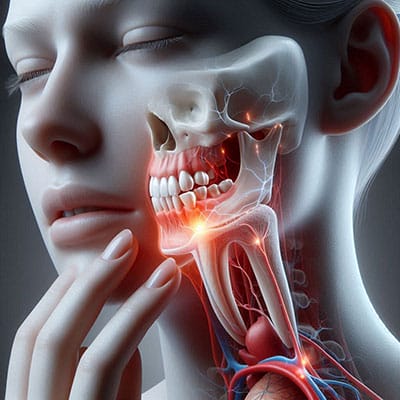 Sometimes, tooth pain isn’t just about your teeth. It can be a sign of a bigger health problem, acting as a warning signal for issues elsewhere in your body. This is why it’s so important to pay attention when your teeth hurt, as it could be connected to your systemic health.
From sinus infections to heart problems, the underlying cause of your discomfort might be surprising. If your pain is persistent or accompanied by other symptoms, it’s crucial to consider that it might not be a simple dental emergency.
Systemic Health Conditions Connected to Tooth Pain
Yes, tooth pain can definitely be a sign of a bigger health problem. Your oral health is closely linked to your overall health, and sometimes, pain in your teeth or jaw is a symptom of an underlying systemic health condition. For example, trigeminal neuralgia is a nerve condition that can cause intense, shooting pain that feels like a severe toothache.
Certain conditions can manifest as dental pain, making it important to look at the bigger picture. Understanding these connections can help you get the right diagnosis and treatment for the underlying cause.
Here are some health conditions that can be connected to dental pain:
| Condition | How It Connects to Tooth Pain |
| Sinus Infections | Pressure in the sinus cavities can cause pain in the upper teeth. |
Heart Attack | Pain can radiate to the jaw and teeth, especially on the left side. |
TMJ Disorders | Issues with the jaw joint can cause widespread tooth and facial pain. |
Trigeminal Neuralgia | This nerve disorder causes sharp, stabbing pain in the face and teeth. |
Diabetes | Uncontrolled diabetes can increase the risk of gum disease and toothaches. |
Warning Signs That Require a Dentist Visit
While mild sensitivity can sometimes be managed at home, certain warning signs indicate you should see a dentist right away. Ignoring these symptoms can lead to further complications and more invasive treatments down the road. It’s always best to seek a proper diagnosis when you’re unsure.
You should book a dental appointment if you experience any of the following:
- Intense, throbbing, or persistent pain that lasts more than two days.
- Swelling in your gums, face, or jaw.
- Pain accompanied by a fever.
- Persistent bad breath or a foul taste in your mouth.
These symptoms can signal a dental emergency, such as an abscess or advanced infection. Prompt professional care is crucial to address the problem effectively and prevent it from becoming more serious.
Conclusion
In conclusion, understanding the causes of tooth pain and sensitivity is essential for maintaining oral health. From enamel erosion to gum recession and even dental procedures, several factors can contribute to discomfort in your teeth. By identifying these triggers and seeking appropriate treatments, you can alleviate pain and prevent further issues. Remember that regular dental checkups play a crucial role in managing your dental health effectively. If you’re struggling with tooth sensitivity and need personalized advice, don’t hesitate to reach out for a free consultation. Taking this step can lead you on the path to a healthier, pain-free smile!
What are the frequently asked questions about why my teeth hurt?
Frequently Asked Questions
Why do my teeth hurt all of a sudden for no reason?
Sudden tooth pain often occurs when an underlying issue, like a micro-crack or enamel erosion, finally exposes the nerve endings. The root cause may have been developing slowly, but a trigger like cold air or pressure causes the dental pain to appear abruptly. It’s a sign that the tooth’s protective layer is compromised.
Are there quick ways to stop sensitive teeth pain at home?
Yes, for quick relief from sensitive teeth, try using a desensitizing toothpaste directly on the sore area. Rinsing with warm salt water can also reduce inflammation. These home remedies can ease dental pain temporarily, but for a long-term solution, it’s best to see a dentist to address the underlying cause.
Can Tooth pain mean I have another health problem?
Absolutely. Dental pain can sometimes be a symptom of a systemic health issue, like a sinus infection or even heart problems. If your tooth pain is persistent and accompanied by other symptoms, it’s important to see a healthcare professional to identify the underlying cause and ensure your overall oral health is not masking a bigger problem.