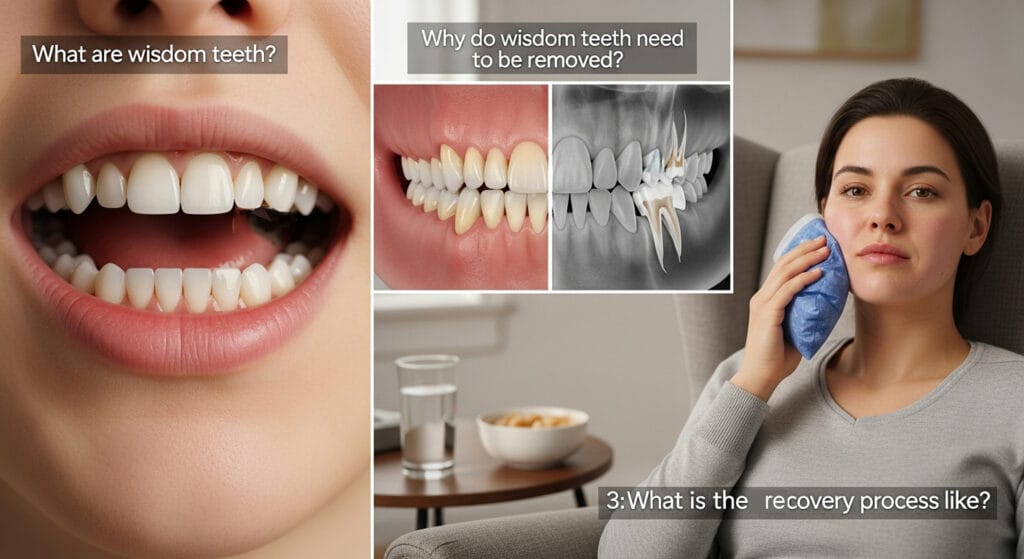
What happens during wisdom tooth extraction by a Murrieta dentist?
Wisdom tooth extraction is a common dental procedure performed by dentists in Murrieta, CA, to address issues arising from the emergence of third molars, typically between the ages of 17 and 25. These teeth can cause problems such as pain, infection, crowding, and misalignment if there isn’t sufficient space in the mouth for them to erupt properly.
Initial Consultation and Evaluation: The process begins with a comprehensive oral examination, including X-rays, to assess the position and condition of your wisdom teeth. This evaluation helps the dentist determine whether extraction is necessary and plan the procedure accordingly.
Anesthesia Options: To ensure your comfort during the extraction, various anesthesia options are available:
- Local Anesthesia: Numb the specific area around the tooth.
- Nitrous Oxide (Laughing Gas): Helps you relax while remaining conscious.
- IV Sedation or General Anesthesia: Induces a deeper state of relaxation or sleep, often used for more complex cases or for patients with dental anxiety.
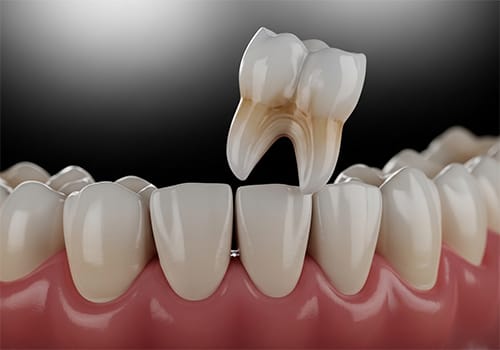
Extraction Procedure: Once anesthesia is administered:
- Incision: If the tooth is impacted (trapped beneath the gum line), the dentist makes an incision in the gum tissue to access the tooth.
- Bone Removal: In some cases, a portion of the bone covering the tooth may need to be removed.
- Tooth Sectioning: The tooth might be divided into smaller pieces to facilitate removal.
- Extraction: The tooth is carefully removed from its socket.
- Closure: The area is cleaned, and stitches may be placed to promote healing.
Post-Operative Care: After the procedure, you’ll receive detailed instructions to aid in your recovery, which may include:
- Managing Discomfort: Over-the-counter pain relievers or prescribed medications can help alleviate pain.
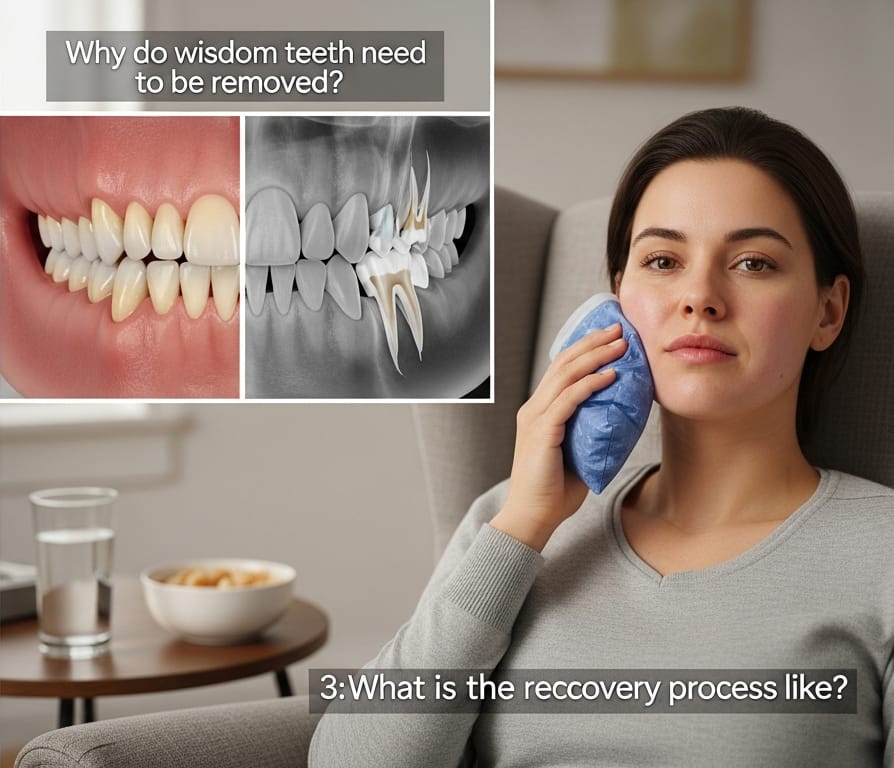
- Swelling Reduction: Applying ice packs to the affected area can minimize swelling.
- Dietary Guidelines: It’s advisable to consume soft foods and avoid using straws to prevent dislodging the blood clot that forms in the socket.
- Oral Hygiene: Gentle rinsing with salt water and careful brushing can keep the area clean.
Recovery times vary, but most individuals return to their normal activities within a few days to a week. It’s essential to follow your dentist’s post-operative instructions closely to ensure a smooth healing process.
If you’re experiencing symptoms like pain, swelling, or difficulty opening your mouth, it’s advisable to consult a Murrieta dentist promptly to determine if wisdom tooth extraction is necessary.
What happens during wisdom tooth extraction?
During a wisdom teeth extraction, the dentist or oral surgeon first reviews X-rays to see the position of the teeth and then administers anesthesia, which may range from local numbing to sedation or, in complex cases, general anesthesia. If the tooth is impacted, a small incision is made in the gum and sometimes a bit of bone is removed to access the tooth. The tooth is then loosened and taken out, either whole or in sections if needed, and the area is cleaned of any debris or infection. Stitches may be placed to close the site, and gauze is used to control bleeding while a clot forms. Recovery usually involves some swelling, bleeding, and discomfort in the first day or two, with swelling peaking around the second or third day and most healing occurring within a couple of weeks. Aftercare includes resting, using ice packs for swelling, taking pain relief as prescribed, eating soft foods, and avoiding activities like smoking, drinking through straws, or spitting forcefully to reduce the risk of dry socket.
Do adults experience different symptoms after wisdom tooth removal than teenagers?
 Adults may experience slightly different symptoms after wisdom tooth removal compared to teenagers. For example, adults often have longer recovery times and may be more likely to experience swelling or complications, since their roots are fully formed, making extractions sometimes more challenging.
What is the typical cost for wisdom teeth removal?
The typical cost of Murrieta wisdom teeth removal depends on several factors, such as the complexity of the extraction and the type of anesthesia used. On average, the procedure can range from $75 to $300 per tooth for a simple extraction with local anesthesia, while removal that requires general anesthesia or is more complicated may cost between $225 and $600 for each tooth.
Do wisdom teeth always have to be removed?
Wisdom teeth do not always need to be removed. If they grow in properly, do not crowd other teeth, and remain healthy, your dentist may recommend leaving them in place.
How do I prevent dry sockets after wisdom teeth are removed?
Avoid smoking, drinking through a straw, or spitting forcefully for several days after surgery, as these can dislodge the blood clot needed for healing.
What are the risks of wisdom teeth removal?
Risks of removing wisdom teeth are low but can include infection, dry socket, sinus issues (for upper wisdom teeth), or temporary numbness of the tongue, lips, or jaw.
Can all four wisdom teeth be removed at once?

Yes, many patients choose to remove all four at once to avoid multiple surgeries and recoveries. Your dentist or oral surgeon will recommend what’s best for you.
What can I eat after wisdom teeth removal?
After having wisdom teeth removed, start with eating soft foods such as yogurt, smoothies, mashed potatoes, soup, and applesauce. Avoid hard, crunchy foods. Start with soft foods such as yogurt, smoothies, mashed potatoes, soup, and applesauce. Avoid tough crunchy, spicy, or very hot foods for at least several days. spicy or very hot foods for at least several days.
How long does recovery take after wisdom teeth removal?
Initial healing usually takes 3–5 days, but full recovery can take 1–2 weeks. Most people can return to work, school, or daily activities within a few days.
The procedure itself is not painful because anesthesia is used. Afterward, some soreness, swelling, or discomfort is normal, but the condition can be managed with medication and home care.
How do I know if my wisdom teeth need to be taken out?
Signs that your wisdom teeth need to be removed include pain in the back of the mouth, swollen gums, jaw stiffness, headaches, crowding of teeth, or your dentist noticing impacted teeth on X-rays.
At what age are wisdom teeth usually removed?
Most people have wisdom teeth removed between the ages of 17 and 25, when the roots are not fully developed, making the procedure easier and recovery quicker.
Why do wisdom teeth need to be removed?
Wisdom teeth are often removed because they can become impacted, crowd other teeth, cause pain, or increase the risk of infection, decay, and gum disease.